Bedigh: The Bubbly Display Font Bringing Playfulness to Modern Design
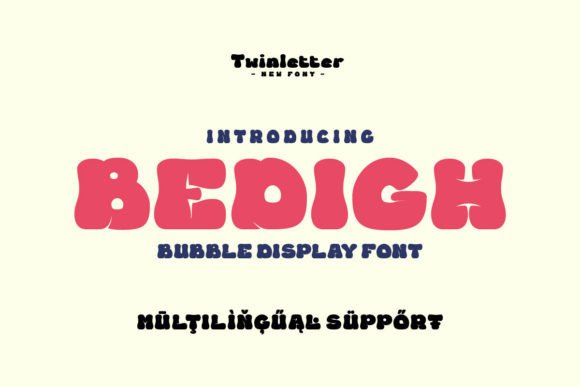
In a digital landscape often dominated by stark minimalism and rigid geometric structures, there is a growing hunger for warmth, character, and human connection. This shift is where Bedigh steps in, not just as a typeface, but as a design tool that redefines how we communicate joy and approachability. Get ready to add a pop of personality to your designs with Bedigh, a bubbly and cheerful display font. Each letter is like a playful bubble, floating effortlessly across the page and bringing a sense of lightness and happiness to your projects. Whether you are designing party invitations, signage for a fun event, or playful branding materials, Bedigh is sure to make a statement.
The rise of fonts like Bedigh reflects a broader cultural pivot. As audiences become more saturated with corporate, sterile aesthetics, they crave visual experiences that feel tactile, organic, and emotionally resonant. This isn't merely about making things "cute"; it is about strategic emotional signaling. When a brand or creator chooses a font with this level of whimsy, they are signaling openness, creativity, and a willingness to break the mold. Its friendly appearance and whimsical vibe make it perfect for capturing the attention of audiences of all ages, bridging the gap between professional communication and genuine human interaction.
The Evolution of Whimsy in Professional Typography
For decades, the design industry operated under the assumption that professionalism required seriousness. Sans-serif fonts were clean and efficient, while serifs conveyed tradition and authority. However, the modern workflow has evolved. Today's entrepreneurs, marketers, and educators understand that trust is built on relatability, not just distance. We have moved from an era of "corporate speak" to one of "human-first" communication, and typography plays a pivotal role in this transition.
Fonts like Bedigh represent the maturation of playful design. It is no longer reserved solely for children's books or cartoon logos. Instead, it is finding its way into lifestyle brands, creative agencies, and even tech startups looking to soften their image. The evolution here is subtle but significant: we are seeing a blend of high-end design principles with accessible, joyful forms. The letters in Bedigh are not random doodles; they are carefully crafted to maintain legibility while maximizing charm. This balance allows designers to use them in contexts where clarity is still paramount, such as event signage or educational materials, without sacrificing the intended mood.
Why Audiences Are Craving Lightness
The current market preference leans heavily towards authenticity. Consumers, particularly those aged 20 to 50, are adept at spotting disingenuous marketing. A stiff, overly formal design can sometimes feel cold or out of touch in sectors like wellness, entertainment, and community building. Incorporating Bedigh into your designs is guaranteed to bring a smile to people's faces and create memorable experiences that they'll cherish because it taps into a universal desire for positivity.
This trend is also driven by the speed of digital consumption. On social media feeds and mobile screens, users scroll rapidly. A standard block of text often gets lost in the noise. In contrast, the unique shape of Bedigh acts as a visual anchor. The "bubbles" of the letters draw the eye, slowing down the viewer just enough to engage with the message. This is a practical implication for marketers and bloggers: using a distinctive display font can increase engagement rates simply by breaking the visual monotony of the feed.
Practical Applications for Creators and Businesses
While the aesthetic appeal of Bedigh is clear, its true value lies in its versatility across various mediums. Understanding where and how to deploy this font can elevate a project from good to exceptional. Here are several realistic scenarios where Bedigh shines:
- Event Signage and Wayfinding: For weddings, birthday parties, or community festivals, signage sets the tone before a guest even speaks. Using Bedigh for directional signs or welcome banners instantly communicates that the event is relaxed and fun. The floating quality of the letters suggests movement and celebration, aligning perfectly with the energy of a live gathering.
- Playful Branding Materials: Small businesses, especially those in the food, beverage, or toy industries, can use Bedigh to differentiate themselves. A logo featuring Bedigh stands out against competitors using standard bold sans-serifs. It suggests a brand that values fun and customer experience over rigid efficiency.
- Educational Content and Worksheets: Educators and content creators know that learning is more effective when it is enjoyable. Using Bedigh for headers in worksheets, flashcards, or online courses can reduce anxiety and make the material feel more inviting to students of all ages.
- Social Media Graphics: In the realm of Instagram Stories or TikTok overlays, text needs to be expressive. Bedigh offers a dynamic look that complements video content, adding a layer of personality that static text cannot achieve.
Integrating Bedigh into Your Design Workflow
Adopting a new typeface requires more than just downloading a file; it requires understanding how it interacts with other elements. Because Bedigh is a display font with strong character, it works best when paired with simpler, more neutral body fonts. If you use Bedigh for every line of text, the impact will diminish, and readability may suffer. The key is contrast.
Consider pairing Bedigh with a clean, geometric sans-serif or a traditional serif for paragraphs. This combination allows the "bubbles" of Bedigh to pop in headlines and call-to-action buttons while maintaining professional readability in the supporting text. This approach respects the user's cognitive load, ensuring that the design remains functional while still delivering an emotional punch.
Color and Context Matter
The cheerful nature of Bedigh is amplified by color choices. While it looks excellent in bright, primary colors, it also holds its own in softer pastels or even monochromatic schemes. The rounded shapes of the letters naturally suggest softness, so pairing them with sharp, aggressive colors might create visual tension. Instead, opt for palettes that reinforce the font's inherent vibe—think sky blues, sunny yellows, mint greens, or warm coral tones.
Furthermore, context dictates usage. While Bedigh is fantastic for a bakery's menu or a kid's workshop flyer, it may not be appropriate for a legal document or a financial report. Knowing the boundaries of the font is crucial for maintaining credibility. The goal is to enhance the message, not distract from it. When used correctly, Bedigh becomes a silent ambassador for your brand's personality, communicating friendliness without saying a word.
The Future of Expressive Typography
As we look forward, the lines between functional and expressive design will continue to blur. Technology allows for more variable fonts and interactive typography, but the core human need for connection remains unchanged. Fonts like Bedigh are leading the charge in normalizing emotion within digital spaces. They remind us that design is not just about information transfer; it is about creating feelings.
For professionals and hobbyists alike, the opportunity lies in embracing these tools to tell better stories. Whether you are a freelancer pitching a new concept or a business owner refreshing your identity, consider the emotional weight of your typography. Does it reflect the reality of your audience? Does it invite them in?
By integrating Bedigh into your toolkit, you are acknowledging that in a complex world, simplicity and joy are powerful assets. The font's ability to float effortlessly across the page mirrors the ease with which great ideas should flow. It invites collaboration, sparks curiosity, and leaves a lasting impression. Ultimately, the most successful designs are those that resonate on a human level, and Bedigh provides a unique, bubbly pathway to achieve exactly that.