Chubera: A Psychedelic Typeface for Bold Design
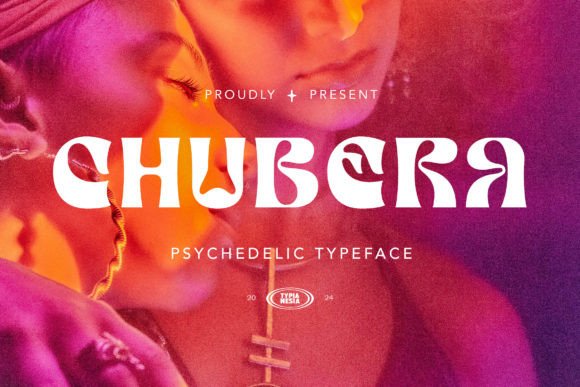
In the world of visual communication, typography does more than convey words; it sets a mood, defines an era, and evokes emotion before a single sentence is read. Chubera stands out as a captivating psychedelic typeface that transports users into a realm of vibrant colors, swirling patterns, and mind-bending designs. It epitomizes the psychedelic aesthetic, evoking a sense of surrealism and transcendence in every letterform. For designers, marketers, and creatives looking to break away from the rigid constraints of modern minimalism, this font offers a unique opportunity to channel the spirit of the 1960s and 1970s counterculture movement with contemporary precision.
The Art of Visual Surrealism in Typography
Typography has evolved through distinct eras, each reflecting the cultural zeitgeist of its time. While sans-serif fonts dominate corporate communications for their clarity and neutrality, there remains a powerful demand for expressive, emotive lettering. Chubera fills this gap by offering a design language rooted in the experimental art of the mid-20th century. The font's structure is not merely decorative; it is functional within specific creative contexts where the goal is to disrupt, engage, and mesmerize.
When you apply Chubera to a project, you are essentially inviting the viewer to step outside their comfort zone. The swirling patterns and fluid curves inherent in the typeface mimic the organic, flowing nature of psychedelic art. This creates an immediate psychological connection with audiences who value creativity, nostalgia, or alternative lifestyles. Unlike standard display fonts that might feel static, Chubera feels alive, suggesting movement and energy even when rendered in a single color. This dynamic quality makes it an invaluable tool for projects aiming to communicate freedom, imagination, and artistic rebellion.
Revitalizing Music and Event Branding
One of the most natural homes for this style of typography is the music industry. From album covers to concert posters, the history of rock, funk, and electronic music is deeply intertwined with psychedelic visuals. Designers working on music posters and album covers often struggle to find a font that captures the raw energy of a live performance or the atmospheric depth of a studio recording. Chubera solves this problem by providing a pre-designed aesthetic that aligns perfectly with these genres.
Consider a local band releasing a new indie-rock EP. Using a generic bold serif font might make the cover look professional but uninspired. However, integrating Chubera instantly signals to the listener that the music inside is experimental, soulful, or perhaps retro-inspired. Similarly, for event flyers and invitations, such as those for festivals, raves, or themed parties, the font acts as a beacon. It communicates the vibe of the event before the attendee even reads the date or location. In these scenarios, the font does the heavy lifting of setting expectations, saving the designer time while ensuring the message resonates emotionally with the target demographic.
Enhancing Visual Art and Merchandise
Beyond the stage, Chubera finds a strong foothold in the broader world of visual arts and commerce. Artists creating visual art projects often need text that complements rather than competes with their imagery. Because Chubera is designed with intricate details and a surreal quality, it functions almost like an illustration itself. When placed alongside abstract paintings or digital collages, the text becomes part of the composition, adding layers of meaning and texture.
For entrepreneurs and small business owners, particularly those in the lifestyle or fashion sectors, printed merchandise is a critical revenue stream. T-shirts, tote bags, and stickers featuring psychedelic branding can stand out in a crowded market. By using Chubera for logos or slogan text, brands can cultivate a distinct identity that appeals to consumers seeking individuality. This approach helps simplify decision-making for product development; instead of commissioning custom illustrations for every item, a well-chosen typeface can serve as the primary visual anchor, maintaining brand consistency across various products.
Strategic Applications in Media and Film
The utility of Chubera extends into motion media as well. In film and video titles, typography plays a crucial role in establishing genre and tone. A documentary about the 1960s counter-culture, a short film exploring dream states, or a promotional video for a creative agency could all benefit from the immersive qualities of this typeface. The kinetic nature of the letters suggests motion, making them ideal for animated intros or title sequences where the text needs to swirl, fade, or transform.
Furthermore, in experimental typography projects, creators often push the boundaries of legibility and form. Chubera supports these goals by offering a foundation that is already unconventional. Designers can stretch, distort, or layer the font without losing its core character. This flexibility encourages experimentation, allowing professionals to test new ideas quickly. Whether it is for a digital installation, a website header, or a print campaign, the font provides a robust starting point that fosters innovation.
Navigating Practical Considerations and Limitations
While Chubera offers immense creative potential, it is essential to approach its use with strategic intent. As with any highly stylized display font, readability can be a challenge if used incorrectly. The swirling patterns and complex letterforms that define its psychedelic aesthetic may hinder comprehension in long blocks of text. Therefore, it is best reserved for headlines, logos, and short phrases where impact takes precedence over information density.
Professionals should also consider the context of their audience. While the 1960s and 1970s aesthetic is timeless for certain demographics, it may not resonate with clients targeting a strictly corporate or conservative market. In such cases, comparing Chubera against more neutral options is advisable to ensure the design aligns with the client's brand values. Additionally, when printing on smaller formats, the intricate details of the font might lose definition. Designers should always test print proofs at scale to ensure the "mind-bending" elements remain crisp and do not blur into indistinct shapes.
Who Benefits Most from This Typeface?
The primary beneficiaries of Chubera include graphic designers, brand strategists, musicians, and independent publishers who prioritize storytelling through visual means. Freelancers specializing in event marketing will find it particularly useful for creating high-impact materials quickly. Educators teaching design history or pop culture can use it to demonstrate the evolution of typography. Even hobbyists engaging in DIY crafts or zine creation can leverage the font to elevate their personal projects to a professional standard.
Ultimately, the value of Chubera lies in its ability to evoke a specific feeling—a sense of wonder and transcendence. It allows creators to tap into a rich historical legacy while applying it to modern challenges. By understanding both its strengths and its limitations, users can harness this captivating typeface to produce work that is not only visually striking but also deeply meaningful. In a digital landscape often dominated by uniformity, Chubera offers a refreshing path toward creativity where the possibilities truly know no bounds.