Fractal: A Unique Display Font for Bold Designs
In the crowded landscape of digital typography, standing out often requires more than just a clean sans-serif or a classic serif. It demands a voice that commands attention without shouting. This is where Fractal enters the conversation as a truly unique display font. Whether you are crafting a high-end brand identity, designing an educational infographic, or simply adding personality to a personal blog, Fractal offers a visual language that elevates any creation. It is not merely a set of characters; it is a design tool capable of transforming flat text into a compelling visual asset.
Many designers struggle to find typefaces that balance artistic flair with readability in headlines. Generic fonts can make a project feel forgettable, while overly decorative ones often sacrifice legibility. Fractal bridges this gap perfectly. Its distinct geometry and intricate details provide a sophisticated edge that resonates with modern audiences aged 20 to 50, who appreciate both aesthetics and functionality. By integrating Fractal into your library, you unlock new possibilities for communication that standard fonts simply cannot match.
The Distinctive Character of Fractal
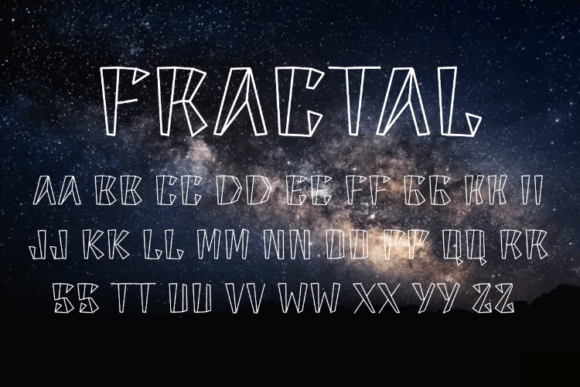
To understand why Fractal is such an incredible asset, one must first look at its core characteristics. As a display font, Fractal is engineered for impact. It features complex geometric structures that mimic the natural patterns found in fractal geometry—self-similar shapes that repeat at different scales. This gives the typeface a sense of depth and movement, even when static on a screen or printed on paper.
Unlike many display fonts that rely on excessive flourishes or erratic strokes, Fractal maintains a structured integrity. The letterforms are bold yet precise, ensuring that they remain recognizable even at smaller sizes or in motion graphics. This structural strength is what makes it versatile enough for various contexts. The font's weight distribution is carefully balanced, preventing the text from feeling too heavy or too light. This equilibrium allows Fractal to serve as a focal point in a layout without overwhelming other design elements.
Furthermore, the unique stroke widths and terminal points in Fractal create a rhythm that guides the reader's eye naturally across the line. This subtle guidance enhances the reading experience, making the text feel less like a block of information and more like a curated journey. For professionals who value precision, these nuances matter significantly. They demonstrate a level of craftsmanship that reflects well on the creator and the brand behind the message.
Key Strengths for Modern Designers
- Visual Impact: Fractal immediately captures attention due to its unconventional geometry, making it ideal for headlines and titles.
- Versatility: Despite its bold nature, it pairs exceptionally well with simple, clean body fonts, creating a harmonious contrast.
- Brand Differentiation: Using a unique typeface helps brands stand out in saturated markets where generic fonts dominate.
- Adaptability: The font works effectively across digital screens, print media, and large-format signage.
Practical Applications Across Industries
The true value of Fractal becomes apparent when applied to real-world scenarios. Its utility extends far beyond graphic design portfolios, offering tangible benefits for entrepreneurs, marketers, educators, and business owners alike. In the commercial sector, branding is everything. A logo or tagline set in Fractal conveys innovation and forward-thinking. Tech startups, creative agencies, and fashion labels can leverage this font to signal that they are not bound by tradition but are instead pushing boundaries.
For marketers and bloggers, engagement is the primary metric of success. Headlines written in Fractal have a higher click-through potential because they break the visual monotony of a news feed or a landing page. When a user scrolls past dozens of standard headlines, a title in Fractal stops the scroll. It creates a moment of curiosity that invites the user to read further. This psychological hook is invaluable for driving traffic and converting leads.
Educators and publishers also find Fractal to be a powerful tool. In educational materials, breaking up dense text with engaging headers can improve retention and interest. While Fractal might not be suitable for long-form body text due to its decorative nature, using it for chapter titles, key concepts, or call-out boxes adds a layer of excitement to learning materials. It transforms dry content into something visually stimulating, which is particularly effective for adult learners and professional development courses.
Use Cases for Freelancers and Hobbyists
Freelance designers and hobbyists often need to deliver high-quality work quickly without a massive budget for custom type design. Fractal provides a cost-effective solution that looks premium. Whether you are designing a wedding invitation, a podcast cover art, or a social media banner, this font adds a professional polish that suggests hours of meticulous work. It allows independent creators to compete with larger agencies by elevating the perceived quality of their output.
Consider a local coffee shop rebranding its menu. A standard font might list the drinks, but Fractal used for the section headers (e.g., "Artisan Roasts," "Seasonal Blends") instantly communicates a boutique, craft-focused atmosphere. Similarly, a fitness influencer creating workout plans can use Fractal for motivational quotes or program names, infusing energy and dynamism into the visual presentation.
Strategic Implementation and Considerations
While Fractal is a powerful tool, like any strong ingredient, it should be used with intention. The most common mistake designers make is overuse. Because Fractal is a display font, it is best reserved for headlines, logos, and short phrases. Attempting to write paragraphs in Fractal will likely result in poor readability and visual fatigue. The goal is to use it as an accent that draws the eye, not as the foundation of the entire text structure.
Pairing is another critical consideration. To let Fractal shine, pair it with a neutral, highly readable sans-serif or serif font for body copy. This contrast ensures that the unique qualities of Fractal are highlighted without competing with the main content. For example, combining Fractal with a clean Helvetica or a classic Garamond creates a balanced hierarchy that is both stylish and functional.
When evaluating Fractal for a specific project, consider the context and the audience. If your target demographic values minimalism above all else, ensure that the complexity of Fractal aligns with the overall design aesthetic. However, for most audiences seeking engagement and distinction, Fractal offers a refreshing alternative to the status quo. It is a font that speaks to creativity and confidence.
Finally, technical implementation matters. Ensure that the file format you choose supports the environments where you plan to use the font. Web-safe versions are essential for digital projects, while high-resolution outlines are necessary for print. Taking the time to test Fractal in different sizes and colors before finalizing a design will prevent issues down the line. By respecting its limitations and maximizing its strengths, you can harness the full potential of this unique display font.
In conclusion, Fractal is more than just a typographic choice; it is a strategic decision that can elevate your work. Its unique blend of geometric precision and artistic flair makes it an indispensable addition to any font library. Whether you are building a brand, creating content, or exploring your creative passions, Fractal offers the visual impact needed to leave a lasting impression. Embrace its uniqueness, and watch how it transforms your creations from ordinary to extraordinary.