Lengie: A Guide to Using This Psychedelic Display Font Effectively
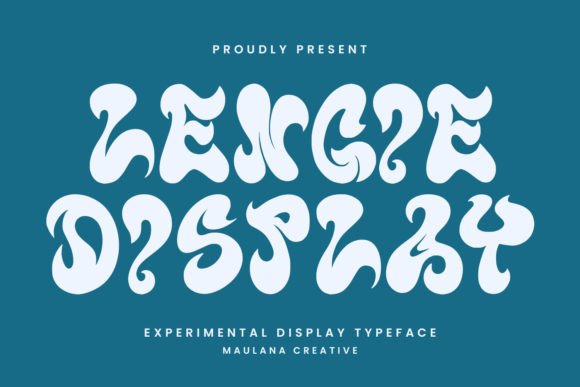
If you are looking to inject a burst of retro-futuristic energy into your design, Lengie is a captivating display font that embodies the spirit of psychedelia with its vibrant colors and whimsical shapes. Inspired by the psychedelic art movement, this typeface radiates energy and creativity, making it an instant favorite for those aiming to break away from standard corporate aesthetics. However, fonts with such distinct personalities require careful handling. While Lengie adds a bold and eclectic touch to posters, album covers, and experimental design projects, using it without a strategic plan can lead to cluttered layouts and poor readability.
The allure of Lengie lies in its ability to transport viewers back to the 1960s while feeling fresh and modern. Yet, many designers, marketers, and hobbyists make the mistake of treating it like a workhorse body text font. When used incorrectly, the very features that make Lengie unique—its complex curves and decorative elements—can become obstacles to clear communication. To get the most out of this typeface, you need to understand not just how to download it, but how to apply it within a broader visual hierarchy.
Understanding the Limits of Display Typography
One of the most common misunderstandings regarding fonts like Lengie is assuming that "display" means "versatile." In typography, a display font is designed specifically for headlines, logos, and short phrases at large sizes. It is not intended for paragraphs of body copy. The intricate details and wide spacing inherent in Lengie's character set are meant to be admired from a distance or scanned quickly.
When beginners attempt to use Lengie for long-form content, such as blog posts, product descriptions, or newsletter bodies, the result is often visual fatigue. The eye struggles to track lines of text where every letter competes for attention with elaborate flourishes. This reduces readability significantly, causing readers to abandon the content before absorbing the message. If your goal is to inform or explain, Lengie should remain strictly in the title or subheadings, paired with a clean, neutral sans-serif or serif font for the main text.
Common Pitfalls in Color and Contrast
Lengie is often associated with vibrant colors, and while this is true to its psychedelic roots, applying color indiscriminately can ruin the legibility of your design. A frequent error is placing multi-colored text on a busy background. Because Lengie already has high visual complexity due to its shape, adding a rainbow gradient or a patterned backdrop creates a "visual noise" effect that makes the text disappear.
To avoid this, prioritize contrast. If you are using a multicolored version of Lengie, ensure the background is solid and simple. Alternatively, keep the font color uniform (perhaps a deep purple or electric blue) and let the background provide the vibrancy. Remember that accessibility matters; even in artistic projects, your audience needs to read the text. Always check your contrast ratios to ensure that the whimsical shapes do not obscure the actual letters.
Strategic Application in Branding and Marketing
For entrepreneurs and small business owners, choosing a font is a branding decision. Lengie is perfect for specific niches, such as music festivals, creative agencies, vintage clothing stores, or event promotions. However, it is a risky choice for industries that rely on trust and clarity, such as finance, healthcare, or legal services. Using a psychedelic font in these contexts can unintentionally signal unprofessionalism or instability.
Before integrating Lengie into your brand identity, ask yourself if the vibe matches your core message. If you are launching a new app or a serious consulting firm, the playful nature of Lengie might undermine your authority. Conversely, if you are designing an album cover for an indie band or a flyer for a summer concert series, Lengie becomes a powerful asset that instantly communicates fun and experimentation.
- Check your context: Does the environment where this design will appear support a whimsical aesthetic?
- Evaluate your audience: Will your target demographic appreciate the retro style, or will they find it distracting?
- Test scalability: Ensure the font remains recognizable when shrunk down for social media thumbnails or mobile screens.
Pairing Lengie with Complementary Fonts
A major oversight in experimental design is failing to pair the primary font correctly. Lengie demands a partner that recedes into the background. Trying to pair it with another highly stylized or decorative font creates a chaotic clash. Instead, opt for a minimalist geometric sans-serif or a classic humanist serif. These neutral fonts provide the necessary breathing room for Lengie to shine without fighting for dominance.
For example, imagine a poster for a jazz fusion night. You could use Lengie for the event name in a large, colorful header, creating immediate excitement. Then, use a simple, dark grey Helvetica or Open Sans for the date, time, venue, and artist lineup. This combination ensures that the information is easy to digest while maintaining the artistic flair of the headline. The contrast between the wild and the structured creates a balanced composition that feels professional yet creative.
Technical Considerations for Digital and Print
When moving from concept to execution, technical details often get overlooked. Downloading Lengie is straightforward, but ensuring it renders correctly across different platforms requires attention. On the web, browser rendering engines can sometimes struggle with complex glyphs if the file size is too large or if the hinting is poor. This can lead to blurry text on low-resolution screens or unexpected kerning issues.
If you are using Lengie for print, particularly for items like t-shirts or large banners, verify the vector quality of the font file. Low-quality downloads may result in jagged edges when scaled up. Always inspect the characters at 100% zoom before finalizing your artwork. Additionally, be mindful of licensing. Many free versions of display fonts are for personal use only. If you are a freelancer or business owner planning to sell a design featuring Lengie, you must purchase the appropriate commercial license to avoid legal complications later.
Refining Your Workflow
To maximize efficiency and quality, establish a workflow that includes a "readability test." Before sending a design to print or publishing it online, step back and squint at the screen. Can you still distinguish the words? If the psychedelic effects are overwhelming the message, simplify. Reduce the number of colors, increase the tracking (letter-spacing), or switch to a simpler variant of the font if available.
Ultimately, Lengie is a tool for expression, not a replacement for good design principles. By respecting its limitations and leveraging its strengths, you can create posters, album covers, and digital assets that truly capture the imagination. Avoid the trap of overuse, focus on strong pairing strategies, and always prioritize the user's ability to read and engage with your content. With these adjustments, Lengie will serve as the vibrant, energetic centerpiece your project deserves.