Little Piece: The Playful Display Font for Bold Brands
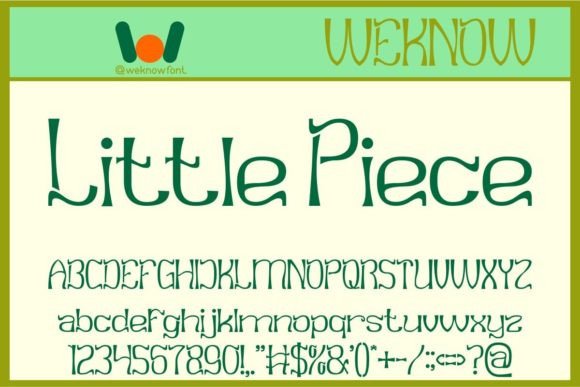
In the crowded landscape of digital and print design, a brand often needs more than just legibility to make an impact. It requires personality. This is where Little Piece steps in as a dynamic solution for designers seeking to inject immediate energy into their visual identity. As an eclectic display font, Little Piece is engineered to embody mirth, playfulness, and vibrant enthusiasm. It is not merely a typeface; it is a strategic tool for capturing attention and conveying a specific emotional tone that resonates with modern audiences.
Whether you are a startup founder crafting your first logo or a seasoned graphic designer looking to refresh a campaign, understanding how to leverage the unique qualities of Little Piece can transform a standard project into something memorable. Its versatility allows it to leap off the page in magazines and dance across digital screens on platforms like YouTube and Instagram, making it a robust choice for diverse creative challenges.
The Character and Design Philosophy of Little Piece
At its core, Little Piece is designed to break the monotony of corporate sterility. Unlike traditional serif or sans-serif fonts that prioritize neutrality, this typeface embraces irregularity and whimsy without sacrificing readability at headline sizes. The strokes vary in weight, the terminals often curve unexpectedly, and the overall rhythm feels hand-crafted rather than algorithmically generated. These characteristics give the font a human touch, suggesting warmth and approachability.
The "eclectic" nature of Little Piece means it does not adhere to a single rigid style. Instead, it borrows elements from retro signage, comic book lettering, and modern brush scripts to create a hybrid aesthetic. This makes it particularly effective for brands that want to appear innovative yet grounded. When used as the centerpiece of a logo or logotype, Little Piece breathes life into a corporate identity, signaling to customers that the business is fun, forward-thinking, and unafraid to take risks.
One of the most notable strengths of this font is its ability to maintain character even when scaled up. While many display fonts lose their charm when enlarged for billboards or large banners, Little Piece retains its intricate details and spirited vibe. This scalability ensures that your message remains consistent whether it appears on a small social media icon or a massive event backdrop.
Practical Applications Across Industries
The utility of Little Piece extends far beyond simple decoration. Its design language speaks directly to industries where engagement and emotion drive consumer behavior. Here is how different sectors can effectively utilize this versatile typeface:
- Apparel and Fashion: In the clothing industry, typography is often as important as the cut of the fabric. Little Piece adds flair to t-shirt designs, hoodie graphics, and streetwear branding. Its playful nature aligns perfectly with casual wear, allowing brands to communicate a laid-back, cool attitude instantly.
- Entertainment Media: For movies, video games, and music albums, the title treatment sets the stage for the entire experience. Little Piece injects fun into movie posters, bringing a sense of adventure to family films or animated features. Similarly, game developers can use it for UI elements and promotional art to signal a lighthearted, accessible gaming experience.
- Publishing and Comics: In books, magazines, and especially comics, text must interact dynamically with illustrations. Little Piece leaps off the page, serving as an excellent choice for chapter headings, pull quotes, or speech bubbles that require emphasis and character.
- Digital Content Creation: On platforms like YouTube and Instagram, thumbnails and overlays need to grab attention within seconds. Little Piece dances across digital screens, making it ideal for video titles, story highlights, and website headers where stopping the scroll is the primary goal.
Strategic Benefits for Branding and Engagement
Choosing the right typography is a critical component of user experience (UX) and brand communication. Implementing Little Piece offers several tangible benefits for professionals aiming to enhance their market presence. First and foremost, it boosts engagement. A playful font invites the viewer to pause and look closer, increasing the time spent interacting with the content. This is crucial for marketers trying to convert passive viewers into active participants.
Furthermore, Little Piece aids in brand differentiation. In saturated markets, standing out is difficult. By adopting a font that embodies vibrant enthusiasm, a brand can distinguish itself from competitors who rely on safe, generic typography. This distinctiveness fosters a stronger emotional connection with the audience, making the brand feel more relatable and authentic.
From a productivity standpoint, having a versatile font like Little Piece in your toolkit streamlines the design process. Instead of searching for multiple fonts to achieve a specific mood, designers can rely on this single typeface to handle headlines, logos, and promotional materials. This efficiency allows creatives to focus more on layout, color theory, and messaging strategy, ultimately delivering higher quality work in less time.
Considerations for Effective Implementation
While Little Piece is a powerful asset, it is essential to use it with intention. Because it is a display font, it is best suited for short bursts of text such as headlines, logos, and captions. Using it for long paragraphs of body copy can hinder readability and overwhelm the reader. To maintain balance, pair Little Piece with a clean, neutral sans-serif or serif font for body text. This contrast ensures that the playful energy of the headline is supported by clear, legible information.
Additionally, consider the context of your audience. While the font is perfect for targeting younger demographics or those interested in lifestyle, entertainment, and creative industries, it may feel too informal for highly technical or legal communications. Evaluate your brand voice before committing; if your message is serious and somber, Little Piece might undermine your credibility. However, for businesses aiming to be seen as friendly, energetic, and innovative, it is an exceptional partner.
Finally, test the font across various mediums. Check how it renders on mobile devices, low-resolution screens, and printed materials. Ensuring that Little Piece maintains its integrity across all formats will guarantee a professional finish to your projects. By treating this typeface as a strategic element of your design system rather than just a decorative afterthought, you unlock its full potential to elevate your creative ventures.