Pink Sheet: A Charming Display Font for Confident Design
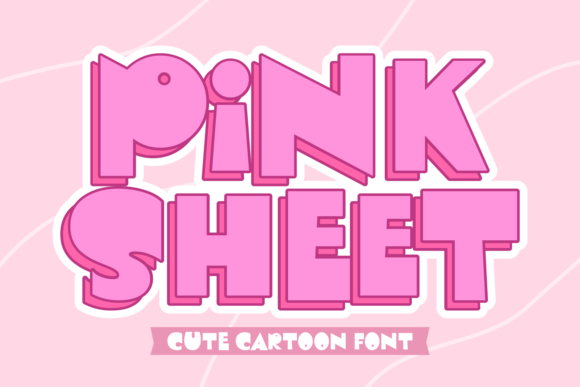
In the crowded landscape of digital typography, finding a typeface that balances whimsy with readability is often more difficult than it appears. Pink Sheet emerges as a delightful solution for those seeking a display font that feels both cute and charming without descending into illegibility. Its quirky character and playful curves make it an excellent choice for projects requiring a touch of personality, from boutique branding to personal blogs. However, like any specialized typeface, using Pink Sheet effectively requires a nuanced understanding of its strengths and limitations. Many designers rush to apply such fonts without considering the context, leading to designs that feel cluttered or disjointed rather than bright and engaging.
The appeal of Pink Sheet lies in its ability to inject warmth into a design instantly. It is not merely a decorative element; it is a communication tool that sets a specific tone. When used correctly, it invites the viewer in, suggesting creativity and approachability. Yet, the very traits that make it charming can become liabilities if applied indiscriminately. Understanding where this font shines and where it falters is the key to leveraging its potential fully.
Understanding the Role of Pink Sheet in Your Projects
Before integrating Pink Sheet into your workflow, it is essential to recognize what kind of font it actually is. It is a display font, meaning it is designed specifically for headlines, logos, posters, and short bursts of text where visual impact is prioritized over long-form reading comfort. The whimsical nature of the letterforms, with their unique quirks and soft edges, creates a strong visual identity. This makes it perfect for capturing attention quickly.
People are often drawn to Pink Sheet because they want their projects to stand out in a sea of corporate sans-serifs and rigid serifs. Whether you are a small business owner launching a new product line or a freelancer designing a wedding invitation suite, the desire to convey a "human" touch is universal. Pink Sheet delivers on this promise by breaking the monotony of standard web typography. It signals that the content behind the design is friendly, creative, and perhaps a little unconventional.
However, interest in the font should not lead to immediate adoption without strategy. The charm of Pink Sheet is context-dependent. In a high-stakes legal document or a technical manual, its playfulness would be inappropriate and potentially confusing. The mistake many beginners make is assuming that a "cute" font is universally applicable to anything related to lifestyle, wellness, or creativity. While it fits many of these categories, the execution must be deliberate.
Common Pitfalls When Choosing and Using Pink Sheet
One of the most frequent errors observed in design portfolios is the overuse of display fonts like Pink Sheet for body copy. Because the font is so visually interesting, creators often feel compelled to use it for paragraphs of text. This is a critical mistake. The intricate details and varying stroke widths that give Pink Sheet its character also reduce legibility at smaller sizes or in dense blocks. When readers struggle to decipher the text, they disengage, and the message is lost.
Another common misunderstanding involves pairing. Pink Sheet has a distinct voice, and pairing it with another font that competes for attention can create visual chaos. For instance, combining Pink Sheet with another highly decorative script or a font with equally complex details results in a design that feels noisy and unprofessional. The eye needs a place to rest. Without a neutral partner, the whimsy of Pink Sheet becomes overwhelming rather than inviting.
Color application is another area where mistakes frequently occur. Given the name, some users instinctively pair Pink Sheet with shades of pink, assuming a thematic match. While this can work, it often leads to a cliché aesthetic that lacks sophistication. The font's charm does not rely solely on color; it relies on shape and spacing. Restricting the palette too narrowly can limit the versatility of the design. Furthermore, using low-contrast colors against busy backgrounds can render the delicate details of the font invisible, particularly on mobile screens.
How Mistakes Impact Your Design Results
The consequences of misusing Pink Sheet extend beyond mere aesthetics. Poor typographic choices directly affect usability and communication efficiency. If a headline in Pink Sheet is too small or placed on a dark background, the audience may miss the call to action entirely. In marketing contexts, this translates to lower conversion rates and wasted ad spend. For educators creating materials, illegible text can frustrate students and hinder learning outcomes.
Furthermore, inconsistent application damages brand perception. A logo or header that looks charming in one context but unreadable in another suggests a lack of attention to detail. Professionals and entrepreneurs know that trust is built on reliability. If your visual identity feels careless due to poor font usage, clients may question the quality of your actual services or products. The "quirky" aspect of Pink Sheet should enhance your brand story, not obscure it.
Cost is also a factor, though often overlooked. Time spent fixing a layout that doesn't work because the font was chosen poorly is time taken away from strategic planning. Downloading a font only to realize it doesn't scale well across different devices or print formats can lead to additional expenses for re-designs or purchasing alternative typefaces later. Evaluating a font before committing ensures that your resources are invested wisely.
Practical Strategies for Better Typography
To avoid these pitfalls, start by defining the hierarchy of your text. Use Pink Sheet exclusively for elements that need to grab attention immediately, such as main titles, hero sections, or key slogans. Keep the length of text minimal—ideally under ten words per line. For all supporting information, descriptions, and paragraphs, pair Pink Sheet with a clean, highly readable sans-serif or a simple serif font. This contrast allows the display font to shine while ensuring the content remains accessible.
When selecting a companion font, look for simplicity. Fonts like Helvetica, Open Sans, or Lato provide the necessary neutrality to balance the quirkiness of Pink Sheet. Test your combinations at various sizes. Zoom out to see how the design looks on a thumbnail, and zoom in to check the clarity of the fine lines. If the letters begin to blur or merge together, the size is too small for Pink Sheet.
Consider the environment where your design will live. If you are designing for social media stories or mobile apps, ensure there is sufficient padding around the text. Whimsical fonts often have irregular bounding boxes, meaning the top and bottom of the letters might extend further than expected. Tight spacing can cause clipping or crowding, which ruins the intended effect. Always preview your work on the actual device or medium where it will be displayed.
Finally, do not let the name dictate your color scheme. Experiment with unexpected pairings. Deep navy, charcoal, or even earthy greens can make the white or light-colored Pink Sheet text pop with elegance rather than cutesiness. The goal is to let the form of the letters drive the emotion, supported by a thoughtful color palette. By approaching Pink Sheet with intention and respect for its specific characteristics, you can create designs that are not only charming but also effective and professional.
Ultimately, the decision to use Pink Sheet should be driven by the message you wish to convey. If your project benefits from a sense of fun, creativity, and warmth, this font is an excellent asset. But remember that good design is about balance. By avoiding the trap of overuse and focusing on clear hierarchy and smart pairing, you ensure that your designs remain legible, engaging, and impactful. Add Pink Sheet confidently to your toolkit, but wield it with the precision of an experienced designer who understands that every choice matters.