Rabbit Dream: A Unique Display Font for Modern Creative Expression
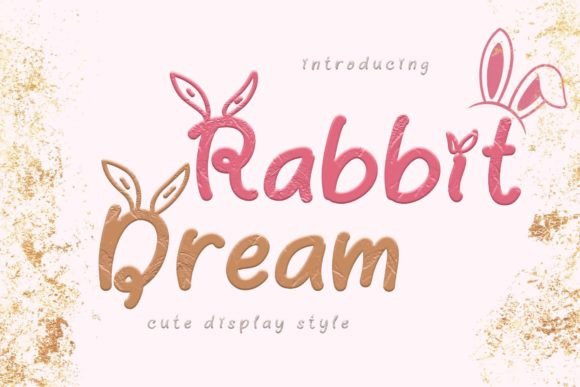
In the crowded landscape of digital design, where attention spans are short and visual noise is constant, the ability to communicate personality instantly is a rare asset. This is where Rabbit Dream emerges as more than just a typeface; it is a tool for immediate emotional connection. As a unique display font decorated with bunny ears, Rabbit Dream captures a sense of whimsy and playfulness that resonates deeply with contemporary audiences. It bridges the gap between professional utility and lighthearted charm, offering creators a way to inject character into their work without sacrificing legibility or structural integrity.
The rise of playful typography in serious contexts reflects a broader shift in how brands and individuals present themselves online. The rigid, corporate aesthetics of the past decade are giving way to designs that feel human, approachable, and distinct. Rabbit Dream fits perfectly into this evolving narrative, providing a visual language that speaks to warmth and creativity while maintaining the technical robustness required for modern workflows.
The Evolution of Whimsical Typography in Professional Design
Typography has always been a reflection of its time. In recent years, there has been a noticeable pivot away from sterile minimalism toward styles that embrace texture, illustration, and personality. This trend is driven by a market that values authenticity. Consumers, particularly those aged 20 to 50, are increasingly drawn to brands that show a "human" side. They expect visuals that tell a story rather than simply delivering information.
Rabbit Dream capitalizes on this cultural shift. By integrating decorative elements like bunny ears directly into the letterforms, the font creates an instant association with cuteness and friendliness. However, unlike many novelty fonts that fail when used beyond a single word, Rabbit Dream is engineered for versatility. It is equipped with a full set of uppercase letters, lowercase letters, numerals, and punctuation. This comprehensive character set allows designers to use it for headlines, subheads, and even short body copy in specific contexts, ensuring that the aesthetic remains consistent throughout a project.
The evolution of such fonts also mirrors changes in technology. With the advent of high-resolution screens and advanced rendering engines, intricate details like the curves of bunny ears can be displayed sharply on everything from mobile devices to large-format billboards. This technical capability means that designers no longer have to choose between a cute style and professional quality. They can have both, leveraging tools like Rabbit Dream to create work that stands out in a saturated feed.
Why Multilingual Support Matters in a Global Market
One of the most significant practical implications of using a robust display font like Rabbit Dream is its multilingual support. In today's interconnected economy, content rarely stays within a single linguistic boundary. Marketers and entrepreneurs often need to localize their branding for international audiences without losing the core identity of their message.
Many decorative fonts lack the extended character sets needed for non-Latin scripts or even basic accented characters found in European languages. This limitation forces designers to switch fonts mid-project, creating visual dissonance and weakening brand cohesion. Rabbit Dream addresses this pain point by offering extensive language support. Whether you are creating a poster for a local community event in Paris, a sticker line for a Tokyo pop-up shop, or a digital banner for a global campaign, the font maintains its distinctive bunny-eared aesthetic across different scripts.
This feature is not merely a technical checkbox; it is a strategic advantage. It allows businesses to scale their creative assets efficiently. A logo designed with Rabbit Dream can be adapted for multiple markets without requiring a complete redesign, saving time and resources while ensuring a unified brand voice worldwide.
Practical Applications for Creators and Businesses
The versatility of Rabbit Dream makes it suitable for a wide array of applications, ranging from personal projects to large-scale commercial branding. Its unique combination of structure and decoration opens up creative possibilities that standard sans-serif or serif fonts cannot match.
- Comics and Illustrations: The playful nature of the font makes it an ideal choice for comic book titles, speech bubbles, and graphic novels aimed at younger audiences or adult readers seeking light-hearted entertainment. The bunny ears add a layer of narrative context, suggesting themes of innocence, magic, or springtime adventures.
- Easter and Seasonal Campaigns: For retailers and event organizers, seasonal relevance is key. Rabbit Dream is naturally suited for Easter promotions, spring sales, and holiday-themed content. Using this font immediately signals the theme to the audience, reducing the cognitive load required to understand the marketing message.
- Logos and Branding: Startups in the lifestyle, pet care, education, and children's sectors often struggle to find a logo that feels both professional and friendly. Rabbit Dream offers a solution that balances these needs. It works well as a standalone logotype or paired with a more neutral secondary font for contrast.
- Banners and Posters: In physical print media, visibility is paramount. The bold strokes and distinct shapes of Rabbit Dream ensure that text remains readable from a distance while capturing attention through its unique silhouette. This makes it excellent for event posters, festival banners, and retail signage.
- Stickers and Merchandise: The creator economy relies heavily on tangible goods. Stickers, t-shirts, and tote bags featuring designs with Rabbit Dream appeal to hobbyists and collectors who value unique, hand-crafted aesthetics. The font's decorative elements translate beautifully to die-cut stickers and embroidery.
Integrating Playful Fonts into Serious Workflows
A common misconception among professionals is that decorative fonts are only for "fun" projects. However, the reality of modern creative practice suggests otherwise. Even in corporate environments, there is a growing demand for internal communications, team-building materials, and client presentations that break the monotony of standard business templates.
For example, an educational institution might use Rabbit Dream for a newsletter header to make learning feel more inviting for students. A tech startup could use it for a specific product launch related to family-friendly apps, signaling their target demographic clearly. The key lies in moderation and context. When used strategically, Rabbit Dream adds a layer of sophistication to a brand's identity by showing confidence in its personality.
Furthermore, the inclusion of numerals and punctuation ensures that the font can handle data-driven content where necessary. Imagine a infographic about the growth of the pet industry; using Rabbit Dream for the title and key statistics creates a cohesive visual theme that engages the reader emotionally while presenting facts clearly.
Meeting User Expectations in the Digital Age
User expectations have shifted dramatically in the last decade. Audiences are no longer passive recipients of information; they are active participants who curate their own feeds and experiences. They expect content that aligns with their values and aesthetic preferences. A design that looks generic or overly formal may be scrolled past, while one that sparks joy or curiosity is likely to be engaged with.
Rabbit Dream taps into the psychological principle of "cuteness aggression," a phenomenon where people feel an urge to squeeze or protect something they find adorable. By incorporating bunny ears, the font triggers a positive emotional response. This is particularly effective in social media environments where engagement metrics drive success. A post featuring a headline in Rabbit Dream is more likely to stop the scroll than one using a standard Helvetica or Arial.
Moreover, the font supports the trend of "micro-branding." Small businesses and freelancers often operate with limited budgets but need to look established. High-quality, versatile fonts like Rabbit Dream allow them to produce professional-grade assets without hiring a full-time design agency. This democratization of design tools empowers entrepreneurs to build strong visual identities quickly and effectively.
Recommendations for Effective Usage
To get the most out of Rabbit Dream, creators should consider a few best practices. First, pairing is essential. Because the font is highly decorative, it pairs best with clean, simple sans-serif fonts for body text. This contrast ensures readability while allowing Rabbit Dream to shine in headlines and focal points.
Second, consider the color palette. While the font itself is neutral, its playful nature often benefits from vibrant, pastel, or warm color schemes. However, it can also work surprisingly well in monochrome for a more sophisticated, editorial look. Experimentation is encouraged to see what fits the specific brand voice.
Finally, respect the limitations of the medium. While Rabbit Dream is suitable for various formats, extremely small sizes on low-resolution screens may obscure the fine details of the bunny ears. Always test the font at the intended size before finalizing a design to ensure clarity.
In conclusion, Rabbit Dream represents a convergence of artistic flair and functional design. It meets the modern need for authentic, engaging, and versatile visual communication. Whether for a comic strip, a seasonal campaign, or a new business logo, this unique display font offers a powerful way to connect with audiences on an emotional level. As the design landscape continues to evolve, tools that balance professionalism with personality will remain indispensable for creators and businesses alike.