Ramallah: A Versatile Arabic Display Font for Modern Branding
In the dynamic world of digital design, typography is often the silent hero that defines a brand's voice. For designers working within the Arabic script or those looking to integrate Eastern aesthetics into global projects, finding the right typeface can be a challenge. Ramallah emerges as a standout solution, offering a sophisticated blend of traditional calligraphy and modern functionality. This font is not merely a collection of characters; it is a comprehensive tool designed to elevate visual communication across various media.
Whether you are crafting a luxury logo, designing a festive holiday card, or creating a bold advertisement banner, Ramallah provides the stylistic depth required to make an impact. Its architecture supports the fluidity of Arabic script while maintaining the structural integrity needed for professional applications. By understanding its unique features and potential use cases, designers can unlock new levels of creativity in their workflows.
The Essence of an Arabic Display Typeface
Display fonts serve a specific purpose: they grab attention. Unlike body text, which prioritizes readability over long periods, display typefaces like Ramallah are engineered for headlines, logos, and short phrases where character and personality are paramount. Ramallah fits squarely into this category, offering a distinct visual identity that resonates with both local and international audiences.
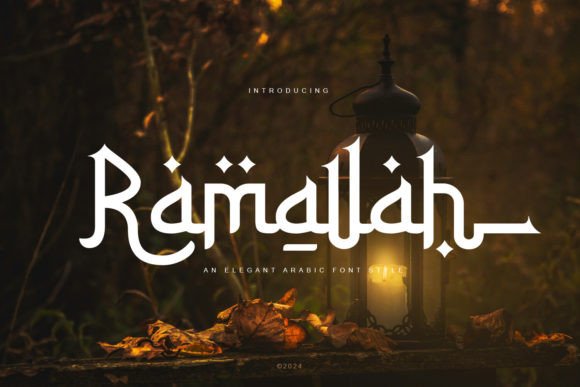
The beauty of Arabic typography lies in its connectivity and flow. Each letter interacts with its neighbors, creating a dance of curves and angles. Ramallah captures this essence perfectly. It is built on the principles of classical Arabic calligraphy but refined for the screen and print environments of the 21st century. When you select Ramallah for a project, you are choosing a font that respects the heritage of the script while pushing the boundaries of contemporary design.
This versatility makes it an excellent choice for brands aiming to establish a strong cultural connection without sacrificing modern appeal. From tech startups in the Middle East to fashion labels worldwide, the ability to convey sophistication through type is invaluable. Ramallah delivers this by balancing ornate details with clean lines, ensuring that the message remains clear even when the style is elaborate.
Unlocking Creativity with Advanced Typographic Features
What truly sets Ramallah apart from standard Arabic fonts is its robust feature set. In professional typography, access to advanced OpenType features is what allows a designer to move beyond the basic and into the bespoke. Ramallah is equipped with a variety of tools that give users complete control over the final look of their text.
- Stylistic Alternates: These allow you to swap specific characters for different versions within the same font family. Perhaps you want a slightly more angular version of a specific letter to match a geometric logo, or a softer curve to soften a headline. Stylistic alternates provide these options instantly, enabling micro-adjustments that can define a brand's uniqueness.
- Ligatures: In Arabic script, ligatures are crucial for maintaining the natural flow of writing. Ramallah includes extensive ligature support, ensuring that letters connect seamlessly and elegantly. This prevents awkward spacing and ensures that the text looks hand-crafted rather than mechanically assembled.
- Swash Characters: For designs requiring a touch of flourish, swashes are essential. These are extended strokes or decorative tails attached to certain letters. Using swashes in Ramallah can transform a simple title into a piece of art, perfect for wedding invitations, book covers, or high-end product packaging.
- ss01 (Stylistic Set 1): This feature offers a cohesive alternative look for the entire font. Activating ss01 might change the weight distribution, the curvature of loops, or the overall mood of the typeface. It effectively gives you two distinct fonts in one package, providing flexibility without needing to purchase additional assets.
These features are not just technical specifications; they are creative enablers. They empower designers to experiment and iterate quickly. Instead of manually editing vector paths in graphic software, you can achieve complex typographic effects directly within your layout program. This efficiency is critical in fast-paced design environments where deadlines are tight, and quality cannot be compromised.
Practical Applications Across Industries
The utility of Ramallah extends far beyond a single industry. Its adaptability makes it a staple for diverse projects ranging from corporate branding to personal celebrations. Understanding where and how to deploy this font can significantly enhance the effectiveness of your design work.
Brand Identity and Logos
For businesses seeking to establish a memorable identity, the logo is the cornerstone. Ramallah is exceptionally well-suited for logo design due to its distinctive shapes and strong presence. A logo needs to be scalable, recognizable, and meaningful. The intricate details of Ramallah allow for the creation of monograms and wordmarks that stand out in a crowded marketplace.
Imagine a boutique coffee shop in an urban center using Ramallah for its signage. The swash features could mimic the steam rising from a cup, while the ligatures create a sense of community and connection. Similarly, a technology firm might utilize the stylistic alternates to create a futuristic yet culturally grounded symbol. The font's ability to hold its own at small sizes ensures that the brand remains legible on business cards and app icons alike.
Packaging and Product Labels
In the consumer goods sector, packaging is the first point of contact between the product and the customer. Ramallah adds a layer of premium quality to product labels. Whether it is artisanal food products, cosmetics, or textiles, the font suggests craftsmanship and authenticity.
Designers can leverage the ss01 feature to create variations for different product lines within the same brand. For instance, a "classic" line might use the standard glyphs, while a "limited edition" line utilizes the swash characters to denote exclusivity. This strategic use of typography helps in segmenting markets and guiding consumer perception without altering the core brand identity.
Marketing Materials and Banners
Advertisements and banners require immediate visual impact. Ramallah's bold forms and decorative elements make it ideal for grabbing attention in both digital and physical spaces. On social media, a headline set in Ramallah can stop the scroll, drawing the user's eye to the content below. In print, large-format banners featuring this font can dominate a street scene, conveying a message with authority and style.
The font works particularly well in campaigns that celebrate culture, heritage, or special occasions. During festivals like Ramadan or Eid, the organic flow of the script complements the celebratory nature of the events. Designers can mix and match features to create dynamic compositions that feel fresh and engaging every time.
Holiday Greeting Cards and Invitations
Personal and corporate greeting cards benefit immensely from the elegance of Ramallah. A holiday card is a gesture of goodwill, and the typography should reflect warmth and thoughtfulness. The swash characters add a handwritten feel, making the message seem more personal and intimate.
When designing wedding invitations, the font's ability to handle complex layouts with grace is invaluable. Couples can choose from the various stylistic sets to match their theme, whether it is traditional, modern, or fusion. The result is an invitation that feels custom-made, setting the tone for the event before the guest even arrives.
Integrating Ramallah into Modern Workflows
Adopting a new typeface requires more than just downloading a file; it involves integrating it into your existing design ecosystem. Fortunately, Ramallah is compatible with most major design software, including Adobe Illustrator, Photoshop, InDesign, and Sketch. This compatibility ensures a smooth transition for professionals already familiar with standard workflows.
To get the most out of Ramallah, designers should take time to explore the OpenType panel in their software. Experimenting with different combinations of ligatures and stylistic sets can reveal unexpected results. It is recommended to create a library of preferred glyph combinations for frequently used words or brand names. This saves time during future projects and ensures consistency across all materials.
Furthermore, considering the context of the audience is vital. While Ramallah is visually striking, it should be used judiciously. Overuse of swashes or alternates can clutter a design and reduce readability. The key is balance—using the decorative features to highlight key information while keeping the rest of the text clean and accessible.
Considerations for Selection and Usage
Before committing to Ramallah for a project, consider the following factors:
- Legibility vs. Style: Ensure that the chosen features do not compromise the readability of the message, especially in smaller sizes or low-resolution contexts.
- Cultural Context: Verify that the stylistic choices align with the cultural nuances of the target audience. What works for a modern urban demographic might differ from a traditional rural one.
- Scalability: Test the font at various sizes to ensure that the intricate details remain crisp and do not blur or disappear when scaled down.
- Pairing: Think about how Ramallah will interact with other typefaces. Since it is a display font, it pairs best with simpler, sans-serif fonts for body text to create a harmonious contrast.
By addressing these considerations, designers can ensure that Ramallah serves its intended purpose effectively. It becomes more than just a font; it becomes a strategic asset in the design toolkit.
Final Thoughts on Typography and Impact
The journey of selecting the right typeface is a journey of defining identity. Ramallah stands out as a powerful instrument for those who wish to communicate with depth, style, and cultural resonance. Its rich feature set, combined with its aesthetic appeal, makes it a versatile choice for a wide array of applications.
From the sleek lines of a corporate logo to the warm flourishes of a holiday card, Ramallah adapts to the needs of the project while maintaining its unique character. As design trends continue to evolve, the demand for fonts that offer both tradition and innovation will only grow. Embracing tools like Ramallah allows creators to stay ahead of the curve, delivering work that is not only beautiful but also deeply meaningful.
Whether you are a seasoned graphic designer or a business owner looking to refresh your brand, exploring the possibilities within Ramallah can lead to breakthroughs in your visual storytelling. The freedom to customize, the ease of integration, and the sheer beauty of the script make it a worthy addition to any serious design portfolio.