Beyond the Brushstroke: How Hoaba Redefines Digital Expression for Modern Creators
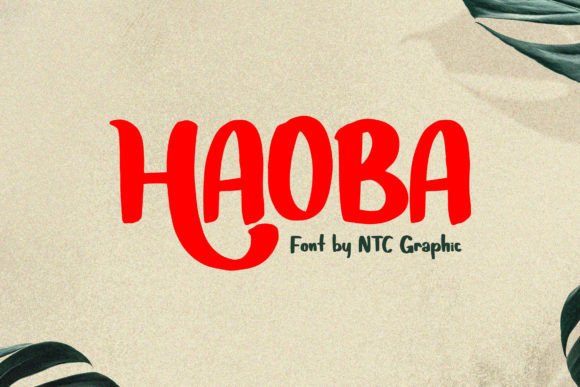
In an era where digital communication often feels sterile and algorithmically uniform, there is a growing hunger for authenticity. Consumers and clients alike are increasingly drawn to content that feels human, tactile, and unpolished in its perfection. This shift has elevated specific typographic styles from mere decorative choices to strategic assets. At the forefront of this movement is Hoaba, a playful display font with a distinct handwritten brush style. Whether you’re using it for crafting, digital designing, presentations, or greeting cards making, it’s perfect for bridging the gap between corporate precision and personal connection.
The rise of fonts like Hoaba signals a broader transformation in how professionals approach visual storytelling. It is no longer enough to simply convey information; brands must evoke emotion. This article explores why this specific aesthetic is gaining traction, how it fits into current market trends, and why forward-thinking creators are integrating it into their workflows.
The Psychology of the Handwritten Aesthetic
To understand the appeal of Hoaba, one must first look at the psychological impact of handwriting in a digital context. For decades, the standard for professional communication was the clean, geometric sans-serif. While these fonts remain essential for body text and data-heavy reports, they lack the warmth required for branding that seeks to build community. The handwritten brush style inherent in Hoaba triggers a subconscious association with craftsmanship and individual effort.
When a viewer sees a message rendered in a brush font, they perceive a level of intimacy that pre-set block letters cannot achieve. This is particularly relevant for entrepreneurs and freelancers who operate as "one-person businesses." In this landscape, the founder's personality is the brand. Using a typeface like Hoaba allows a creator to inject their unique voice into every header, logo, and social media graphic without needing to be a calligrapher themselves.
Why People Are Paying Attention to Playful Fonts
The attention surrounding Hoaba is not accidental; it aligns with a significant cultural pivot towards "imperfect perfection." As digital fatigue sets in, audiences are rejecting the hyper-polished aesthetic of the early 2010s. Instead, they are embracing textures, irregularities, and organic shapes. This trend is visible across industries, from lifestyle blogs to high-end tech startups rebranding to appear more approachable.
People are paying attention because this style solves a specific problem: the "corporate disconnect." When a company uses a rigid, standard font, it can feel distant. By incorporating a playful display font, even in small doses, a business signals that it values creativity and human interaction. Designers and marketers are noticing that campaigns utilizing these softer, brush-style elements often see higher engagement rates on social platforms, particularly among younger demographics who value authenticity above all else.
Integrating Hoaba into Professional Workflows
While the aesthetic appeal is clear, the practical application of Hoaba requires a strategic approach. Integrating a display font into a professional workflow involves understanding where it shines and where it should recede. It is not a replacement for legibility but rather an accent that draws the eye and sets the tone.
For digital designers working on websites or mobile apps, Hoaba serves as an excellent choice for hero headers, call-to-action buttons, or section dividers. Its brush strokes create a dynamic entry point for the user, breaking the monotony of grid-based layouts. However, the key to success lies in pairing. A robust workflow pairs the fluidity of Hoaba with a highly readable sans-serif for body copy, ensuring that the design remains accessible while retaining its playful character.
Practical Applications Across Industries
The versatility of this font extends far beyond simple decoration. Here is how different sectors are leveraging its potential:
- Crafting and DIY Communities: For makers selling on platforms like Etsy, product labels and packaging need to stand out. Hoaba provides an instant artisanal feel, suggesting that the product inside was made with care. It transforms a generic box into a curated gift experience.
- Digital Marketing and Social Media: In the fast-scrolling environment of Instagram or TikTok, static text often gets ignored. Graphics featuring the bold, sweeping lines of Hoaba stop the scroll. They add a layer of energy that aligns with the spontaneous nature of short-form video content.
- Presentation Design: Professionals giving pitches or workshops are moving away from bullet-point slides. Using Hoaba for slide titles helps humanize complex data, making the presenter appear more relatable and less robotic. It softens the blow of difficult statistics by framing them within a friendly visual context.
- Greeting Cards and Stationery: Whether physical or digital, the sentiment of a card relies heavily on typography. Hoaba captures the essence of a handwritten note, making the recipient feel personally addressed rather than mass-mailed.
Changing Needs and Consumer Expectations
The adoption of fonts like Hoaba reflects a deeper shift in consumer expectations. Today's audience does not just want a product or a service; they want a story. They want to know who is behind the screen. This demand for narrative has forced businesses to rethink their visual identities.
Furthermore, the workflow of modern creatives has become more agile. With the rise of remote work and freelance collaboration, tools that allow for rapid prototyping and immediate stylistic changes are crucial. A font that offers both playfulness and professional utility streamlines this process. Designers no longer need to commission custom lettering for every project; a versatile asset like Hoaba provides a consistent brand voice that can be deployed quickly across various mediums.
This change also touches upon the concept of "digital wellness." As we spend more time staring at screens, the visual language of our devices is evolving to be less harsh. Sharp angles and rigid lines can induce visual strain and emotional distance. The organic curves and varying stroke widths found in brush-style fonts offer a visual respite, contributing to a more pleasant user experience.
Future-Proofing Your Brand Identity
Looking ahead, the line between digital and physical design will continue to blur. As augmented reality (AR) and virtual environments become more integrated into daily life, the need for typography that feels tangible will only increase. Hoaba, with its simulation of ink and brush pressure, anticipates this future. It brings a sense of weight and texture to flat screens, preparing brands for immersive experiences where depth and realism are paramount.
Entrepreneurs who embrace this shift now are positioning themselves as innovators. By adopting a playful yet professional aesthetic, they signal adaptability and a deep understanding of human psychology. They are not just following a trend; they are participating in a fundamental evolution of how we communicate online.
Strategic Considerations for Implementation
While the benefits are clear, successful implementation requires restraint. The power of Hoaba lies in its ability to act as a focal point. Overusing a display font can lead to visual clutter and reduce readability. The most effective strategies involve using it sparingly to highlight key messages, brand names, or emotional hooks.
- Establish Hierarchy: Use Hoaba for primary headlines and pair it with a neutral font for subheads and body text. This creates a clear visual path for the reader.
- Context Matters: Ensure the playful tone aligns with your brand values. While it works wonders for creative agencies, lifestyle brands, and educational platforms, it may require careful consideration for highly formal industries like law or finance, unless used ironically or in very specific sub-brands.
- Accessibility: Always check contrast ratios. The variable stroke width of a brush font can sometimes make smaller sizes difficult to read. Keep usage to larger sizes to maintain accessibility standards.
Ultimately, the decision to use Hoaba is a statement about the kind of relationship a brand wants to have with its audience. It is a declaration that the business values creativity, warmth, and the human touch. In a marketplace saturated with automated content and generic templates, choosing a font that mimics the hand of an artist is a powerful way to differentiate and connect.
Conclusion: Embracing the Human Element
The trajectory of design is moving toward a synthesis of technology and humanity. Tools like Hoaba are not just typographic files; they are enablers of this connection. They allow professionals, creators, and entrepreneurs to express nuance and emotion in ways that rigid typefaces cannot. As we move forward, the brands that thrive will be those that can balance efficiency with empathy, structure with spontaneity.
Whether you are crafting a new logo, designing a presentation deck, or creating the next viral social campaign, consider the impact of your typographic choices. Hoaba offers a pathway to a more engaging, authentic, and memorable visual identity. By embracing the playful, handwritten brush style, you are not just designing; you are inviting your audience into a conversation that feels real, personal, and distinctly human.