Child Candy: A Detailed Evaluation of the Retro-Urban Display Font
In the landscape of digital typography, specific display fonts often emerge to fill niche aesthetic requirements. Child Candy is one such typeface, characterized by its distinct, highly detailed design language that draws heavily from the City Pop genre. For designers, brand managers, and creatives seeking to evoke a specific retro-urban atmosphere, understanding the capabilities and limitations of this font is essential before integrating it into a project. This evaluation explores what Child Candy offers, where it excels, and when alternative solutions might be more appropriate for your specific goals.
Understanding the Design Philosophy of Child Candy
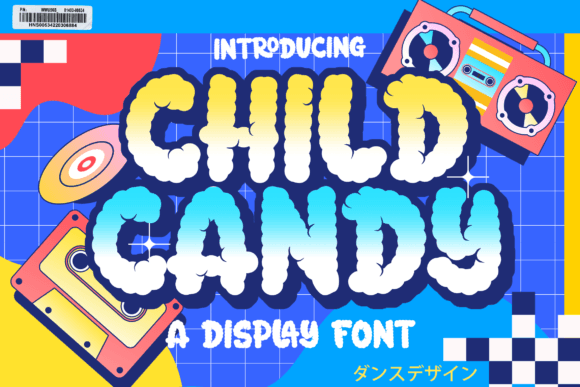
Child Candy is not merely a decorative font; it is a visual representation of a specific cultural era and musical movement. Rooted in the aesthetics of 1980s Japanese City Pop, the typeface combines elements of neon signage, urban decay, and vibrant consumer culture. The "highly detailed" nature of the font refers to its intricate stroke work, which often includes gradients, shadows, or complex geometric flourishes that mimic the glow of city lights at night. Unlike standard sans-serif or serif fonts designed for body text, Child Candy is engineered as a display typeface, meaning it is intended for use in headlines, logos, and large-format graphics where detail can be fully appreciated.
The name itself suggests a duality common in the City Pop genre: the sweetness of nostalgia mixed with the grit of urban life. This makes the font particularly effective for projects aiming to capture a mood rather than simply convey information. When evaluating Child Candy, it is important to recognize that its primary function is atmospheric. It sets a tone immediately upon viewing, signaling to the audience that the content is rooted in retro-futurism, synth-wave, or vintage Japanese street style.
Primary Use Cases and Strategic Applications
Designers typically turn to Child Candy when they need to establish a strong visual identity quickly. Its unique characteristics make it a strong candidate for several specific applications:
- Business Branding and Logos: For businesses operating in the nightlife, music, fashion, or entertainment sectors, Child Candy can serve as a memorable logo element. Its distinctive look helps brands stand out in crowded markets by associating them with a cool, retro-cool vibe.
- Apparel and Merchandise: T-shirts, hoodies, and posters often benefit from bold, graphic typography. The intricate details of Child Candy translate well to fabric prints, provided the print quality is high enough to resolve the fine lines.
- Retro-Urban Design Projects: Any project requiring a 1980s or 1990s Tokyo aesthetic—such as album covers, event flyers, or video game title screens—finds a natural home with this typeface.
- Digital Interfaces: In limited contexts, such as hero sections of websites or mobile app splash screens, Child Candy can create an immersive entry point for users, setting expectations for the content that follows.
These use cases share a common thread: they prioritize visual impact over readability at small sizes. If the goal is to stop a user in their tracks and communicate a specific aesthetic, Child Candy is a viable option.
Benefits and Advantages
The primary advantage of selecting Child Candy is its ability to instantly communicate a complex theme. In design, time is a currency; a font that does the heavy lifting of establishing a mood allows other design elements to focus on layout and hierarchy. The "City Pop" influence ensures that the font feels current despite its retro roots, tapping into a trend that has seen a significant resurgence in modern pop culture.
Furthermore, the high level of detail provides a sense of craftsmanship. In an era where many digital assets feel generic, a highly detailed font like Child Candy adds texture and depth to a composition. It can elevate a simple headline into a piece of art, making the overall design feel more curated and intentional. For branding purposes, this uniqueness can contribute to higher recall rates, as the visual distinctiveness helps the brand remain memorable to the target audience.
Tradeoffs and Considerations
While the aesthetic appeal of Child Candy is undeniable, potential users must weigh several tradeoffs. The most significant limitation is legibility. Because the font is highly detailed, it loses clarity when scaled down. Using Child Candy for body text, captions, or small UI elements is generally inadvisable, as the intricate strokes may blur or become indistinguishable on smaller screens or low-resolution prints.
Additionally, the strong stylistic voice of the font can clash with certain content types. It is not a neutral typeface; it carries a specific emotional weight. Using it for serious corporate communications, financial reports, or educational materials would likely create a tonal dissonance that undermines the message. The font demands a context that matches its playful yet gritty energy.
Another consideration is file size and performance. Highly detailed fonts often contain more vector data than simpler typefaces, which can slightly increase load times for web pages if not optimized correctly. While usually negligible for static images, this factor should be considered for dynamic web environments where performance metrics are critical.
When to Choose Alternatives
There are clear scenarios where choosing a different typeface is the more prudent decision. If the primary requirement is versatility across multiple media formats, especially those involving variable sizing, a cleaner display font or a robust sans-serif family would be superior. Similarly, if the project targets a global audience unfamiliar with the City Pop aesthetic, the cultural references embedded in Child Candy might not land effectively, potentially confusing the viewer.
For projects requiring extensive copy, such as long-form articles or product descriptions, Child Candy should be avoided entirely in favor of a dedicated body font. Even in header roles, if the headline is exceptionally long, the density of the characters in Child Candy can create visual clutter. In these instances, a simpler, bolder font without the intricate detailing will ensure better readability and a cleaner layout.
Practical Decision-Making Insights
To determine if Child Candy aligns with your specific needs, consider the following evaluation criteria:
- Assess the Hierarchy: Will this font be used exclusively for headlines and logos? If yes, proceed. If you anticipate needing it for paragraphs or small labels, look elsewhere.
- Evaluate the Medium: How will the final design be consumed? High-resolution print and large digital displays are ideal. Small mobile screens or billboards viewed from a distance may not render the details effectively.
- Match the Tone: Does your brand or project embrace a retro, urban, or nostalgic vibe? If your brand voice is strictly corporate, minimalist, or traditional, Child Candy will likely feel out of place.
- Check Compatibility: Ensure that the font pairs well with the rest of your typographic system. Child Candy works best when paired with a clean, neutral sans-serif for supporting text to balance the visual weight.
Ultimately, the decision to use Child Candy should be driven by the specific narrative you wish to tell. It is a powerful tool for creating a distinct, retro-urban atmosphere, but it requires careful application to avoid overwhelming the viewer or compromising readability. By understanding its strengths as a display font and respecting its limitations regarding scale and context, designers can leverage Child Candy to create exquisite, memorable visuals that resonate with audiences seeking a touch of nostalgic flair.