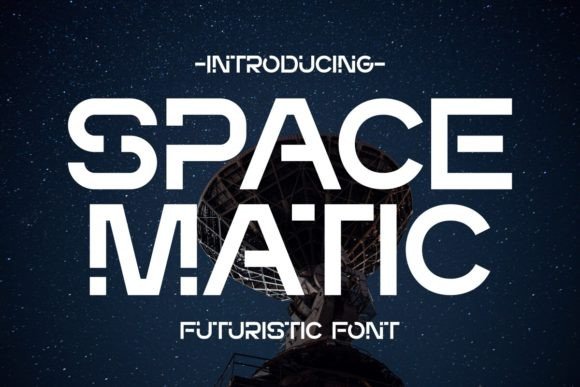
Evaluating Space Matic for Modern Design Projects
In the rapidly evolving landscape of digital typography, designers often seek fonts that can convey a sense of forward-thinking innovation without sacrificing readability. Space Matic has emerged as a significant contender in this niche, offering a distinct visual language that merges futuristic aesthetics with contemporary structural integrity. For professionals researching display typefaces for technology brands, sci-fi media, or modern interfaces, understanding the practical application and limitations of this font is essential before integration.
Understanding the Design Philosophy of Space Matic
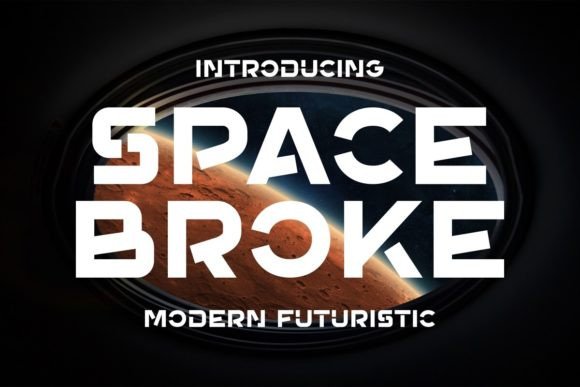
Space Matic is not merely a decorative typeface; it is a carefully constructed tool designed to embody the ethos of modern technology. The font's architecture relies on geometric precision, sharp angles, and open counterforms that suggest speed and efficiency. Unlike many novelty fonts that prioritize style over substance, Space Matic attempts to balance its futuristic silhouette with legibility standards suitable for headlines and short-form copy.
The design draws heavily from mid-century futurism while incorporating the clean lines associated with current user interface (UI) trends. This duality allows it to function effectively in both retro-futuristic contexts and cutting-edge tech presentations. When evaluating a font like Space Matic, it is crucial to recognize that its primary strength lies in its ability to set a tone immediately. It signals to the viewer that the content is innovative, sleek, and aligned with the future.
Key Reasons to Consider Space Matic
Designers and project managers might be drawn to Space Matic for several specific reasons, primarily revolving around brand identity and visual impact. The following factors often drive the decision-making process:
- Immediate Visual Impact: As a display font, Space Matic commands attention. Its unique character shapes stand out in crowded visual environments, making it ideal for hero sections, poster art, and key branding elements.
- Technological Association: The font inherently communicates themes of space, robotics, artificial intelligence, and advanced engineering. Using it can instantly align a project with these concepts without requiring additional imagery.
- Versatility in Styling: The geometric nature of the glyphs allows for various stylistic manipulations, such as kerning adjustments, letter spacing expansions, and weight variations, which can adapt the look to fit different layout requirements.
- Modern Aesthetic Alignment: For brands aiming to shed an outdated image, Space Matic offers a quick path to a more contemporary and polished appearance.
Benefits and Tradeoffs in Practical Application
While the aesthetic appeal of Space Matic is evident, a balanced evaluation requires a closer look at the tradeoffs involved in its usage. The benefits are clear: it provides a cohesive look for projects demanding a high-tech feel. However, these benefits come with specific constraints that must be managed during the design phase.
One primary benefit is the font's ability to unify a visual system. When used consistently across headers and logos, Space Matic creates a strong thematic anchor. Conversely, the tradeoff lies in its classification as a display font. Display fonts are generally intended for large sizes and short durations of reading. Attempting to use Space Matic for body text, paragraphs, or long-form content can lead to reader fatigue and reduced comprehension. The intricate details and wide spacing that make it attractive at 48 points or larger often become cluttered and difficult to parse at 12 points.
Furthermore, the futuristic style may date quickly if not paired with timeless design elements. Trends in typography shift, and what appears cutting-edge today may feel dated in a few years. Designers must consider whether the specific "futuristic" look of Space Matic aligns with the longevity goals of their brand or project.
Ideal Scenarios for Implementation
Determining where Space Matic fits best requires analyzing the context of the project. There are specific situations where this font serves as a strong fit:
- Technology and Startup Branding: Companies in sectors like blockchain, aerospace, software development, and renewable energy often benefit from the sleek, forward-looking vibe of Space Matic.
- Gaming and Entertainment Media: Video game titles, movie posters, and album covers within the sci-fi genre frequently utilize such typography to establish an immersive atmosphere.
- Event Marketing: Conferences, product launches, and expos focused on innovation can leverage the font for banners, tickets, and stage backdrops to generate excitement.
- Editorial Headlines: Magazines or websites covering science and technology can use Space Matic for feature headlines to distinguish them from standard editorial content.
In these scenarios, the font acts as a visual shorthand, communicating the subject matter before the viewer even reads the words. The expectation here is high visibility and immediate thematic recognition.
When to Consider Alternatives
Despite its strengths, there are circumstances where selecting Space Matic may not be the most prudent choice. Understanding when to pivot to alternatives is a critical part of the selection process.
If the project prioritizes accessibility and readability above all else, particularly for audiences with visual impairments, a more traditional sans-serif or serif typeface might be superior. The stylized nature of Space Matic can obscure character distinctions, potentially hindering legibility. Additionally, for corporate communications that require a tone of stability, trust, and tradition—such as financial reports or legal documents—the futuristic edge of Space Matic may seem incongruous or overly casual.
Another scenario to consider is multi-lingual support. While many modern fonts offer extensive language coverage, specialized display fonts sometimes lack characters for non-Latin scripts. If a project requires broad international reach, verifying the glyph set of Space Matic against the target languages is necessary. If gaps exist, a more robust alternative should be chosen to ensure inclusivity.
Practical Decision-Making Insights
To determine if Space Matic aligns with your specific goals, consider the following checklist before finalizing your choice:
- Test Readability at Scale: Mock up your design with the font at the smallest size you intend to use it. If the text becomes indistinct, limit its use to larger headlines only.
- Pairing Strategy: Plan how Space Matic will interact with other typefaces. It works best when paired with a neutral, highly readable sans-serif for body text. Avoid pairing it with another highly stylized font, as this can create visual chaos.
- Brand Longevity: Ask yourself if the "futuristic" look needs to last five years or just six months. For short-term campaigns, the trendiness is an asset. For long-term branding, ensure the style is versatile enough to evolve.
- Licensing and Availability: Verify the licensing terms. Ensure that the version of Space Matic you select includes the weights and styles required for your full project scope.
Ultimately, the decision to use Space Matic should be driven by the specific narrative of your project. It is a powerful tool for conveying modernity and innovation, but like any specialized instrument, it requires careful handling to achieve the desired result. By weighing its aesthetic advantages against functional limitations, designers can make informed choices that enhance their work rather than distract from it.