Kuwadi: The Whimsical Font That Brings Childhood Joy to Design
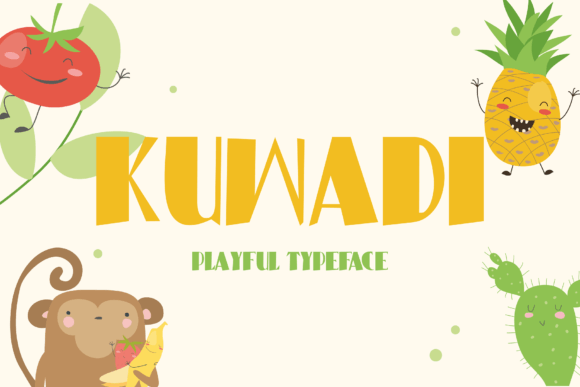
In the vast landscape of digital typography, where sleek sans-serifs and rigid serifs often dominate professional communication, there exists a special category of typefaces designed not just to inform, but to delight. Kuwadi is a prime example of this enchanting genre. It is a whimsically delightful font designed with the spirit of childhood imagination and fun at its heart. Crafted to capture the essence of playful adventures and boundless creativity, Kuwadi stands out as an adorable font that resonates deeply with the joy and innocence of kids' earliest years. For designers, educators, and parents alike, understanding the unique value of such a typeface can transform ordinary projects into memorable experiences.
The Essence of Playful Typography
Typography is more than just the arrangement of letters; it is the visual voice of your message. When we choose a font, we are subconsciously setting the tone for how the reader will feel before they even process the words. Kuwadi embodies a casual, yet enchanting style that immediately signals warmth and approachability. Its characters are rounded and bubbly, exuding a sense of friendliness with every letter and symbol. This design choice is intentional. Sharp angles and straight lines can sometimes feel authoritative or cold, whereas the curves found in Kuwadi mimic the softness of bubbles, clouds, and the gentle shapes found in nature and toys.
Each stroke and curve in Kuwadi has been meticulously shaped to ensure readability while infusing a sense of playfulness. This balance is crucial. A common misunderstanding about "fun" fonts is that they sacrifice legibility for aesthetics. However, Kuwadi proves that a typeface can be both engaging and clear. The design team prioritized the distinctiveness of each character, ensuring that similar letters like 'a', 'o', and 'e' remain easily distinguishable, which is vital for young readers who are still developing their literacy skills.
Why Rounded Letters Matter in Design
The psychology behind rounded typography is fascinating. Studies in cognitive science suggest that humans associate curved shapes with safety, comfort, and trust. This is why Kuwadi feels so inviting. When a child sees text written in Kuwadi, their brain registers the shape as non-threatening and friendly. In contrast, jagged or overly complex fonts can induce a subtle sense of stress or confusion. By utilizing these organic curves, Kuwadi creates an emotional bridge between the content and the audience, making the act of reading feel less like a chore and more like an adventure.
Practical Applications: Where Kuwadi Shines
The versatility of Kuwadi makes it a go-to choice for designers looking to add a touch of charm and affection to their creations. While its primary association is with children, its application extends far beyond simple cartoons. Here are several key areas where this font excels:
- Children's Books and Storytelling: In the world of publishing, the right font can make a story come alive. Kuwadi is perfectly suited for children's books because it mirrors the whimsical nature of fairy tales and fables. It helps young readers connect with the narrative, making the text feel like a character in itself.
- Educational Materials: Teachers and curriculum developers use Kuwadi to create worksheets, flashcards, and classroom posters. The font's clarity reduces cognitive load for early learners, allowing them to focus on the content rather than struggling to decipher difficult letterforms.
- Party Invitations and Events: Birthday parties, baby showers, and family gatherings thrive on a festive atmosphere. An invitation written in Kuwadi sets the expectation of fun and celebration immediately. It tells the guest that the event will be relaxed, joyful, and full of surprises.
- Branding for Family-Friendly Businesses: From toy stores to pediatric clinics, businesses targeting families benefit from using a font that communicates care and happiness. Kuwadi helps brands appear accessible and trustworthy to parents while appealing directly to children.
Integrating Kuwadi into Modern Creative Workflows
In today's digital age, the tools we use to create content have evolved, but the need for human connection remains constant. Whether you are designing a website, creating social media graphics, or printing physical merchandise, the integration of a font like Kuwadi requires thoughtful consideration. It is not merely about swapping out a standard font; it is about aligning the visual identity with the brand's core values.
For web designers, using Kuwadi for headings can instantly break up the monotony of standard body text. Imagine a blog post about parenting tips or a review of new educational games; using Kuwadi for the titles draws the eye and establishes a warm, conversational tone. However, it is important to note that while Kuwadi is excellent for headlines and short bursts of text, it should be used sparingly for long paragraphs. Even the most readable playful fonts can become tiring if used for large blocks of text. The key is to pair Kuwadi with a clean, neutral sans-serif for body copy to maintain a professional yet friendly hierarchy.
Tech and Accessibility Considerations
As technology advances, accessibility becomes a paramount concern in design. Kuwadi's design philosophy aligns well with modern accessibility standards. Its open counters (the enclosed spaces inside letters) and distinct shapes make it easier for individuals with dyslexia or other visual processing challenges to read. By choosing fonts that prioritize clarity alongside style, creators contribute to a more inclusive digital environment. This ensures that the joy Kuwadi brings is shared by everyone, regardless of their reading abilities.
Common Misconceptions About Whimsical Fonts
Despite its clear benefits, there are some assumptions surrounding playful typefaces that deserve clarification. One common myth is that fonts like Kuwadi are only suitable for very young children. In reality, Kuwadi speaks to those young at heart as well. Adults appreciate nostalgia and the simplicity of childhood memories. Using this font in adult-oriented contexts—such as a wedding invitation for a couple who loves vintage toys, or a marketing campaign for a retro-inspired product line—can evoke powerful emotional responses.
Another misconception is that whimsical fonts lack professionalism. While it is true that a bubbly font might not be appropriate for a legal contract or a financial report, it does not mean it lacks sophistication. In the realms of lifestyle, entertainment, education, and creative industries, "professionalism" is defined by relevance and engagement. A design that fails to engage its audience is less professional than one that connects deeply, even if it uses a playful typeface. Kuwadi embodies a level of craftsmanship and attention to detail that commands respect in the design community.
Cultivating Creativity Through Type
Ultimately, the significance of Kuwadi lies in its ability to foster creativity. It encourages designers to think outside the box and embrace emotions in their work. In a world increasingly dominated by data and efficiency, there is a growing hunger for content that feels human, warm, and authentic. Kuwadi answers this call by bringing a smile to faces and adding a playful flair to any design project.
Whether you are a seasoned graphic designer looking to expand your typographic toolkit or a parent creating a personalized gift for your child, Kuwadi offers a unique opportunity to express joy. It reminds us that design is not just about function; it is about feeling. By incorporating such fonts into our daily lives, we keep the spirit of imagination alive, proving that even in the smallest details of our digital and physical worlds, there is room for wonder.
Final Thoughts on Choosing the Right Voice
Selecting the right font is a critical step in the design process. It defines the personality of your message. If your goal is to convey seriousness, authority, or tradition, Kuwadi may not be the fit. But if your aim is to inspire, entertain, educate, or celebrate, then Kuwadi is an invaluable asset. Its appeal lies in its ability to transcend language barriers through universal symbols of happiness and play. As we move forward in a fast-paced digital era, embracing fonts that remind us of the simple joys of childhood is not just a stylistic choice—it is a necessary reminder to slow down, smile, and enjoy the creative journey.