Ramadhan Tsania: Where Heritage Meets Modern Elegance
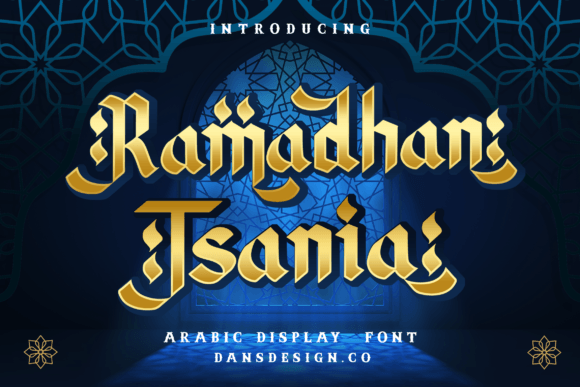
In an era where digital saturation often leads to visual fatigue, the return to authentic, culturally rich design elements has become a defining characteristic of high-end aesthetics. Ramadhan Tsania stands at the forefront of this movement, offering more than just a typeface; it provides a bridge between centuries-old artistic traditions and contemporary design needs. As an elegant display font inspired by Arabic calligraphy, boasting intricate details and graceful curves, it captures the essence of traditional Arabic typography while remaining functional in modern workflows. For designers, brand strategists, and creative professionals, understanding the unique value of such a font is essential for crafting narratives that resonate with depth and sophistication.
The Artistry Behind the Typeface
To appreciate Ramadhan Tsania, one must first understand the lineage it draws from. Arabic calligraphy is not merely a method of writing; it is a revered art form where the shape of letters carries spiritual and aesthetic weight. Traditional scripts like Thuluth or Diwani are known for their fluidity and complex interplay of thick and thin strokes. Ramadhan Tsania translates these organic qualities into a digital format without losing the soul of the original art. The font features intricate details that mimic the hand-drawn quality of ink on paper, creating a sense of warmth and human touch that geometric sans-serifs often lack.
The graceful curves inherent in the design are not accidental; they are deliberate choices to evoke a sense of rhythm and flow. In a landscape dominated by rigid, grid-based layouts, the introduction of such fluidity can transform a static composition into a dynamic experience. This font reflects traditional Arabic typography, exuding sophistication and cultural richness, making it ideal for luxury branding, wedding invitations, and decorative projects that seek a touch of refinement and cultural heritage. It allows creators to infuse their work with a narrative of elegance that speaks to a global audience appreciative of artisanal quality.
Why Cultural Typography Matters Now
The relevance of fonts like Ramadhan Tsania extends beyond mere decoration. We are witnessing a significant shift in consumer expectations and market preferences. Today's audiences, particularly those aged 20 to 50, are increasingly discerning about authenticity. They are drawn to brands and content that honor their roots or demonstrate a deep respect for diverse cultures. Generic, mass-produced visuals no longer suffice for businesses aiming to build lasting connections. Instead, there is a growing demand for designs that tell a story and convey a specific identity.
This trend aligns with a broader movement in the design world toward "cultural specificity." Brands are moving away from a homogenized global look and embracing localized aesthetics that reflect the diversity of their customer base. By incorporating a font that embodies the grace of Arabic script, businesses can signal inclusivity and appreciation for Middle Eastern heritage. This is not just about aesthetics; it is about building trust and resonance with a demographic that values representation and cultural pride.
Integrating Heritage into Modern Branding
For entrepreneurs and marketers, the practical implications of using Ramadhan Tsania are profound. In the competitive realm of luxury branding, differentiation is key. A logo or headline rendered in this font immediately sets a tone of exclusivity and high value. The intricate details serve as a visual cue for quality, suggesting that the brand behind it pays attention to the finer points of its craft. Whether it is a boutique hotel, a high-end fashion label, or a premium skincare line, the right typography can elevate the perceived value of the product.
Consider the application in wedding invitations. Weddings are deeply personal events where every detail matters. Couples often seek to incorporate elements of their family history and cultural background into their celebration. Ramadhan Tsania offers a perfect solution for couples wanting to honor their heritage while maintaining a modern, sleek presentation. The font's ability to balance traditional motifs with clean lines makes it versatile enough for both classic and contemporary wedding themes. It transforms a simple invitation into a keepsake that feels bespoke and meaningful.
Navigating Digital Workflows
One common concern among professionals adopting specialized display fonts is usability within modern digital environments. Fortunately, the evolution of web technologies and design software has made integrating complex scripts like Ramadhan Tsania seamless. Unlike in the past, where custom lettering required manual illustration for every project, today's digital fonts offer consistent kerning, ligatures, and variable weights that adapt to various screen sizes and print resolutions.
Designers can now utilize this font across multiple platforms, from social media graphics to responsive websites, without compromising legibility or visual impact. However, best practices suggest using such display fonts sparingly. Because of its intricate nature, Ramadhan Tsania shines when used for headlines, logos, or short phrases rather than long blocks of body text. Pairing it with a neutral, highly readable sans-serif creates a harmonious contrast that guides the reader's eye and ensures accessibility. This approach allows the font to act as a focal point, drawing attention to key messages while maintaining overall clarity.
Evolution of Design Trends and User Expectations
The rise in popularity of culturally inspired typography is part of a larger evolution in design trends. Over the last decade, the industry has moved from minimalism to maximalism, and now towards "meaningful minimalism." This new paradigm seeks to strip away unnecessary clutter while retaining elements that carry emotional weight. Fonts like Ramadhan Tsania fit perfectly into this philosophy. They provide the necessary visual interest and emotional connection without overwhelming the user interface.
User expectations have also shifted regarding what constitutes "luxury" in the digital age. It is no longer defined solely by gold accents or serif fonts; true luxury is now associated with storytelling and authenticity. When a user encounters a website or advertisement featuring Ramadhan Tsania, they are subconsciously recognizing a commitment to craftsmanship. This recognition fosters a deeper engagement, as users feel they are interacting with something unique and thoughtfully curated rather than a template-driven generic output.
Practical Recommendations for Creators
For freelancers, bloggers, and business owners looking to leverage this trend, here are some grounded recommendations:
- Contextual Usage: Ensure the use of Ramadhan Tsania aligns with your brand's core values. If your brand message is rooted in tradition, heritage, or luxury, this font will amplify that message. If your brand is strictly utilitarian, the font might feel out of place.
- Color Pairing: To maximize the elegance of the font, pair it with sophisticated color palettes. Deep jewel tones, muted earth colors, and metallic accents complement the graceful curves of the script beautifully.
- Sizing and Spacing: Due to the intricate details, ensure adequate spacing around the characters. Tight kerning can obscure the fine lines that define the font's character. Allow the letters room to breathe to fully appreciate their beauty.
- Cross-Platform Consistency: Test the font on different devices to ensure the intricate details render correctly on mobile screens. While modern displays are high-resolution, very small sizes may lose definition.
Looking Ahead: The Future of Cultural Design
As we move forward, the integration of cultural typography into mainstream design is likely to accelerate. With globalization connecting markets more tightly than ever, the ability to communicate across cultural lines with respect and nuance becomes a critical skill for creatives. Fonts like Ramadhan Tsania are not fleeting trends but enduring tools that allow designers to celebrate diversity and complexity.
The future of design lies in the ability to merge the old with the new, honoring the past while innovating for the future. By embracing fonts that reflect traditional Arabic typography, the design community can create spaces that feel richer, more inclusive, and more human. For anyone involved in creative practices, from educators teaching typography to business owners launching new products, exploring the potential of such elegant display fonts opens up a world of possibilities. It invites us to look closer, appreciate the details, and recognize the power of a single stroke to convey a universe of meaning.
Ultimately, the choice of typography is a strategic decision that influences how a message is received. Ramadhan Tsania offers a pathway to sophistication, allowing creators to infuse their work with a timeless elegance that resonates with the modern audience's desire for authenticity and cultural depth. In a world of noise, the quiet confidence of well-crafted, culturally rich design stands out, inviting viewers to pause, reflect, and connect.