Random Story: A Playful Display Font for Every Project
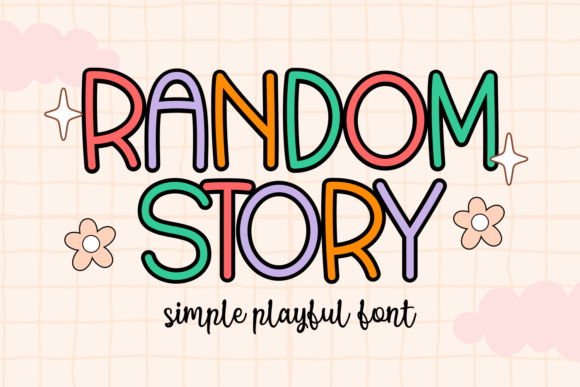
In the crowded landscape of digital design, finding a typeface that instantly communicates personality without overwhelming the viewer is a rare challenge. Random Story steps into this space as a straightforward display font designed to inject immediate character into any visual composition. It is not merely a collection of glyphs; it is a tool for storytelling through typography. Whether you are drafting a quick social media graphic or designing a complex marketing campaign, this font offers a playful style that makes text stand out with minimal effort.
The appeal of Random Story lies in its balance between whimsy and readability. Unlike some decorative fonts that sacrifice legibility for flair, this typeface maintains a structure that allows the eye to track words easily while enjoying the unique curves and irregularities that define its character. This quality makes it particularly valuable for projects where tone matters as much as information.
Understanding the Core Appeal of Random Story
At its heart, Random Story is engineered for impact. As a display font, it is intended for headlines, titles, and short bursts of text rather than long-form paragraphs. Its design philosophy centers on adding a touch of fun to your projects without requiring advanced typographic skills to implement. The "straightforward" nature mentioned in its description refers to both its ease of use and its clear visual intent.
When designers choose a font, they are making a decision about how their audience will feel before reading a single word. Random Story signals approachability, creativity, and energy. It breaks the monotony of standard sans-serif or serif fonts often found in corporate communications. For anyone looking to humanize their brand or add a layer of warmth to their visuals, this font serves as an effective bridge between professional presentation and personal expression.
Why Beginners Find Immediate Value
For those new to graphic design, the learning curve can be steep. Selecting the right typeface often involves navigating complex licensing terms, understanding kerning, and predicting how a font will render across different devices. Random Story simplifies this process. Because it is a display font with a distinct voice, it does the heavy lifting for the designer.
A beginner creating a birthday card or a simple event flyer might struggle to make their text look polished. By applying Random Story to a headline, the project instantly gains a professional yet festive look. The font's inherent playfulness reduces the need for excessive graphical embellishments. Instead of cluttering a design with clip art or complex backgrounds, a novice creator can rely on the typography itself to convey the mood. This efficiency is crucial for hobbyists who want high-quality results without spending hours mastering design software.
Strategic Uses for Professionals and Marketers
While beginners appreciate the ease of use, experienced professionals and marketers evaluate Random Story through the lens of brand alignment and conversion. In the world of digital marketing, attention spans are short. A headline needs to stop the scroll. The playful style of this font acts as a visual hook, drawing the eye away from generic content.
Marketers often face the challenge of balancing authority with relatability. A financial advisor or a tech startup might traditionally stick to rigid, serious fonts. However, modern branding increasingly values authenticity. Using Random Story for specific campaigns—such as a summer promotion, a community outreach initiative, or a blog post about work-life balance—can soften a brand's image. It signals that the company understands humor and human connection.
Professionals also consider versatility. Can this font work across various mediums? From large format posters to mobile app notifications, Random Story retains its clarity. This reliability is essential for agencies managing multiple client deliverables. They know that the font will not distort or lose its charm when scaled down for a thumbnail or blown up for a billboard.
Creative Applications for Educators and Publishers
Educators and publishers have unique priorities, focusing heavily on engagement and accessibility. In the classroom, materials that look dry or intimidating can discourage students. Random Story offers a way to make worksheets, slide decks, and educational posters more inviting. A title written in this font can transform a lesson plan from a chore into an adventure.
Similarly, publishers of children's books or lifestyle magazines often seek fonts that reflect the content's narrative. If a story is lighthearted or whimsical, a standard book font may feel mismatched. Random Story provides the necessary tonal shift, ensuring the typography supports the narrative arc. For freelancers working in these sectors, having a reliable display font in their toolkit means faster turnaround times and happier clients who see their vision realized quickly.
Business Owners and Small Enterprises
Small business owners often wear many hats, including that of the chief marketing officer. Time is a scarce resource, and budget constraints are common. Investing in custom illustration or hiring a full-time designer for every greeting card or poster is not always feasible. Random Story becomes a cost-effective solution for maintaining a consistent, high-quality visual identity.
Consider a local bakery launching a new seasonal menu. The owner wants the signage to feel warm and homemade, not industrial. By using this font for the menu board or Instagram stories, the business communicates its values immediately. The font's ability to make text stand out ensures that key information—like limited-time offers or special events—is noticed by passersby. For entrepreneurs, the value proposition is clear: high visual impact with low implementation cost.
Evaluating Suitability for Your Needs
Determining if Random Story is the right choice depends on aligning the font's characteristics with your specific goals. If your project requires strict formality, such as a legal document or a somber announcement, this playful typeface would likely be inappropriate. However, for anything requiring a sense of joy, creativity, or casual interaction, it excels.
Here are key factors to consider when deciding:
- Project Type: Is this for a headline, logo, or short tagline? Avoid using it for body text.
- Audience Expectations: Does your audience expect a fun, relaxed tone, or something more serious?
- Design Complexity: Do you need a font that works well on its own, reducing the need for extra graphics?
- Long-Term Use: Will this font remain relevant to your brand voice over time, or is it for a one-off campaign?
Ultimately, the power of Random Story lies in its ability to adapt to the user's intent. It is a versatile asset that empowers creators at all levels to produce work that feels personal and engaging. Whether you are a student making a presentation, a freelancer delivering a client project, or a business owner promoting a sale, this font offers a reliable path to making your message memorable. By choosing a typeface that balances simplicity with character, you ensure that your words are not just read, but felt.