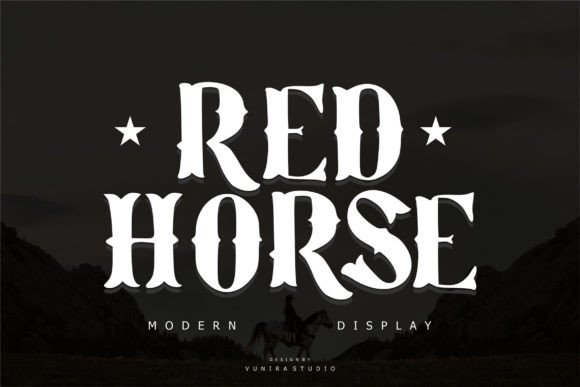
Red Horse: The Modern Evolution of Wild West Calligraphy
In a digital landscape often dominated by sterile sans-serifs and geometric minimalism, there is a growing hunger for typefaces that tell a story. Red Horse emerges as a compelling answer to this need, bridging the gap between historical ruggedness and contemporary design sensibilities. As a modern display font with a wild west calligraphy style, it captures the spirit of the frontier while remaining legible and versatile enough for today's complex visual communication needs. It is not merely a collection of letters; it is a stylistic tool designed to inject character, movement, and narrative into static text.
The appeal of Red Horse lies in its ability to evoke nostalgia without feeling outdated. For professionals ranging from brand strategists to independent artists, finding a font that balances authenticity with modern utility is a constant challenge. This typeface offers a solution that respects the traditions of hand-lettered signage while adhering to the technical standards required for digital and print media alike.
The Intersection of Heritage and Modern Design
Typography trends have always been cyclical, yet the current resurgence of "rustic chic" and artisanal aesthetics marks a distinct shift in how we value digital assets. We are moving away from the hyper-polished look of the early 2000s toward designs that feel human, textured, and imperfectly perfect. Red Horse fits squarely into this movement. It takes the sweeping strokes and dramatic flourishes of traditional western calligraphy and refines them for a modern audience.
This evolution is significant because it reflects a broader cultural desire for connection to history and craftsmanship. In an era where content is consumed rapidly on screens, a font like Red Horse stops the scroll. Its wild west calligraphy style provides immediate visual weight, signaling importance and personality before a single word is read. Unlike generic script fonts that can appear dated or overly decorative, Red Horse maintains structural integrity, ensuring that the message remains clear even when the style is bold.
For designers, this represents a shift in workflow. The integration of such expressive typefaces requires a more thoughtful approach to layout and hierarchy. It demands that the surrounding elements—whitespace, imagery, and supporting typography—work in harmony rather than competition. When used correctly, Red Horse becomes the anchor of a design, grounding the composition in a specific mood that resonates with audiences seeking authenticity.
Why Authenticity Matters in Branding
Branding has evolved from simple logo recognition to holistic storytelling. Consumers today, particularly those aged 20 to 50, are adept at spotting inauthentic marketing. They prefer brands that feel real, grounded, and human. A font choice is one of the most immediate ways to communicate these values. Red Horse allows businesses to project an image of reliability mixed with creativity.
Consider the coffee shop industry, which has seen a massive pivot toward rustic, heritage-inspired branding. A business card or menu featuring Red Horse immediately suggests a commitment to quality, tradition, and perhaps a local, artisanal origin. Similarly, craft breweries, distilleries, and outdoor apparel brands utilize this aesthetic to connect with customers who value exploration and rugged individualism. The font does not just label the product; it enhances the perceived value of the experience.
However, the application must be strategic. Overuse can dilute the impact, turning a powerful statement into visual noise. The key is to treat Red Horse as a display element—perfect for headlines, logos, and short phrases—while pairing it with clean, neutral body fonts to maintain readability. This contrast creates a dynamic visual rhythm that guides the viewer's eye effectively.
Practical Applications Across Industries
The versatility of Red Horse extends far beyond niche western themes. Its modern interpretation of calligraphy makes it suitable for a wide array of creative projects. Whether you are a freelancer designing a portfolio, a marketer launching a campaign, or an educator creating engaging materials, this typeface offers unique opportunities to stand out.
- Invitations and Greeting Cards: Personal events demand a touch of elegance and warmth. Red Horse brings a celebratory flair to wedding invitations, birthday cards, and holiday greetings. The fluid strokes mimic handwriting, adding a personal touch that mass-produced fonts often lack. It transforms a standard announcement into a keepsake.
- Branding Materials and Business Cards: For entrepreneurs looking to make a memorable first impression, a business card featuring this font can be a conversation starter. It signals confidence and creativity. When printed on high-quality textured paper, the ink flow of the calligraphic style mimics the look of actual pen work, elevating the tactile experience of the material.
- Quotes and Posters: Motivational quotes and event posters rely heavily on visual impact. The dramatic swashes and variable stroke widths of Red Horse give text a sense of motion and energy. This makes it ideal for gallery prints, social media graphics, and promotional posters where the text itself serves as the primary artwork.
- Packaging and Labels: In the consumer goods sector, packaging is the silent salesperson. Products ranging from hot sauces to leather goods benefit from the rugged yet refined look of this typeface. It suggests that the contents are crafted with care and passion.
These applications demonstrate that Red Horse is not limited to a single genre. Its adaptability allows it to serve diverse needs, from the romantic to the rebellious. The font's structure supports various weights and sizes, making it robust enough for large-scale signage and delicate enough for fine print details.
Navigating Modern Workflows and User Expectations
As technology advances, so do the tools available to creators. The integration of sophisticated fonts like Red Horse into modern design software has streamlined the process of incorporating complex calligraphy into daily workflows. Designers no longer need to hand-letter every headline to achieve a custom look. Instead, they can leverage the precision of digital typefaces to save time while maintaining artistic integrity.
User expectations have also shifted. Audiences are accustomed to high-quality visuals across all platforms. A blurry or poorly rendered font can undermine credibility. Red Horse is optimized for both screen and print, ensuring crisp edges and consistent spacing regardless of the medium. This technical reliability is crucial for professionals who need to deliver polished results quickly.
Furthermore, the rise of remote work and digital collaboration has made accessible, shareable assets more important than ever. A font that works seamlessly across different operating systems and design platforms facilitates smoother teamwork. When a creative team agrees on a direction, having a reliable typeface like Red Horse ensures that the vision remains consistent from the initial mockup to the final delivery.
Recommendations for Effective Usage
To get the most out of Red Horse, consider the following practical guidelines:
- Limit Usage: Because it is a display font, reserve it for headlines and short statements. Using it for long paragraphs can strain the reader's eyes due to the intricate details and varying stroke widths.
- Pair Thoughtfully: Combine Red Horse with a simple sans-serif or slab serif font. This creates a balanced hierarchy where the display font commands attention without overwhelming the supporting text.
- Consider Context: Ensure the font aligns with your brand voice. While it works well for rustic, vintage, or adventurous themes, it may feel out of place in highly corporate or medical contexts unless used very sparingly for creative effect.
- Experiment with Color: The calligraphic nature of the font lends itself well to texture and color variation. Try gradients, distressed effects, or metallic finishes to enhance the wild west aesthetic.
By understanding the strengths and limitations of Red Horse, creators can harness its power to elevate their work. It is a tool that rewards experimentation but requires discipline to use effectively.
Looking Ahead: The Future of Expressive Typography
The trajectory of design trends suggests that the appreciation for expressive, character-driven typography will continue to grow. As artificial intelligence and automation take over more routine tasks, the value of human-centric design elements increases. Fonts like Red Horse, which carry the imprint of human artistry, will become even more prized.
We are likely to see more hybrid styles emerging, blending traditional calligraphy with futuristic elements. Red Horse stands at the forefront of this evolution, proving that old styles can be reimagined for new contexts. It challenges designers to think beyond the safe and predictable, encouraging them to embrace risk and individuality.
For the professional, the hobbyist, and the curious reader, the availability of such high-quality typefaces democratizes design. It empowers anyone to create visually stunning content that competes with professional agencies. Whether you are crafting a simple greeting card or developing a comprehensive brand identity, Red Horse offers a pathway to expressiveness and impact.
Ultimately, the relevance of Red Horse is rooted in its ability to connect. It connects the past with the present, the digital with the physical, and the creator with the audience. In a world of endless content, a font that speaks with such clarity and character is not just a design choice—it is a strategic asset.