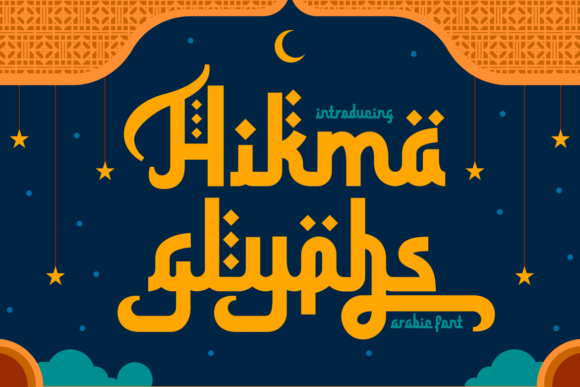
Immerse Yourself in the Beauty of Hikma Glyphs: A Modern Fusion of Arabic Calligraphy
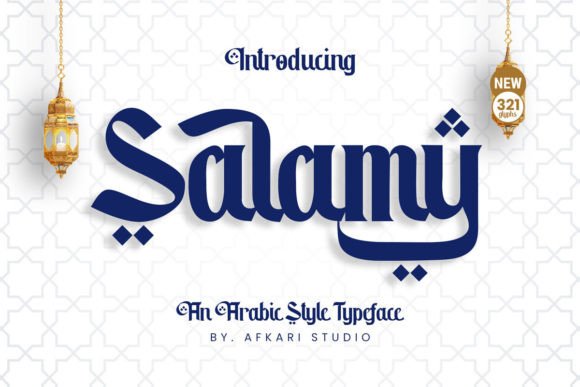
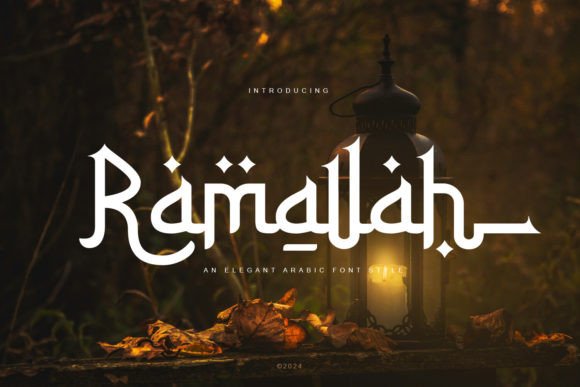
In the ever-evolving landscape of digital design, few elements carry as much cultural weight and aesthetic potential as typography. Among the latest innovations to capture the imagination of designers worldwide is Hikma Glyphs. This font represents more than just a collection of characters; it is a playful and modern fusion of traditional Arabic calligraphy and contemporary design elements. Crafted to align with the latest design trends, this display font retains the elegance and intricacy of historic scripts while providing a whimsical twist that resonates with today's creative audience.
Whether you are a seasoned graphic designer or an enthusiast looking to add a unique flair to your projects, understanding the depth and versatility of Hikma Glyphs can transform your approach to visual communication. Let us explore how this typeface bridges the gap between ancient artistry and modern utility.
The Artistic Philosophy Behind Hikma Glyphs
To truly appreciate Hikma Glyphs, one must first understand its foundation. Arabic calligraphy is not merely writing; it is a revered art form where every stroke carries spiritual and aesthetic significance. Traditional scripts like Kufic, Naskh, and Thuluth have governed the visual language of the Arab world for centuries, emphasizing fluidity, balance, and geometric precision.
Hikma Glyphs takes these time-honored principles and reinterprets them through a contemporary lens. Each glyph is a piece of art itself, representing a perfect marriage of historic fluidity and avant-garde appeal. The designers behind this font did not simply digitize old manuscripts; they deconstructed the essence of Arabic script and rebuilt it with a modern sensibility. The result is a typeface that feels both familiar and startlingly new, offering a visual rhythm that speaks to the globalized, digital age while honoring its roots.
This philosophy is crucial for brands and creators who wish to communicate authenticity without appearing outdated. In a world saturated with generic sans-serifs, Hikma Glyphs offers a distinctive voice that stands out immediately.
Why Versatility Matters in Modern Typography
One of the most significant challenges in using decorative or display fonts is their perceived lack of flexibility. Often, such fonts are limited to headlines, making them unsuitable for broader applications. However, the versatility of Hikma Glyphs stems from its numerous alternate letter variations. These alternates extend infinite creative possibilities to the designers, allowing for customization that goes far beyond standard text input.
Imagine being able to swap a standard character for a stylized version that features an extended tail, a geometric flourish, or a playful dot placement. With Hikma Glyphs, this is not a dream but a reality. It acts as an arsenal of artistic resources that empower you to customize, experiment, and breathe life into your creations. This level of control ensures that no two designs look exactly alike, fostering uniqueness in a crowded marketplace.
Practical Applications: From Branding to Education
The true test of any typeface lies in its practical application. How does Hikma Glyphs perform when applied to real-world scenarios? Its adaptability makes it suitable for a vast array of industries and projects, proving that high-art typography can be functional as well as beautiful.
- Brand Identities: For businesses seeking to establish a strong cultural connection or a premium feel, Hikma Glyphs serves as an excellent choice for logos and brand marks. Its intricate details convey sophistication, while its modern curves suggest innovation.
- Children's Themes and Books: The whimsical nature of the font makes it ideal for children's literature and educational materials. The playful shapes can engage young readers, making learning about Arabic script an enjoyable experience rather than a chore.
- Craft Projects and Invitations: Whether designing wedding invitations, greeting cards, or DIY craft labels, this font adds a touch of handmade elegance. It imbues an authentic essence into anything it touches, elevating simple paper goods into keepsakes.
- Packaging and Poster Titles: In retail, packaging is the silent salesman. Using Hikma Glyphs on product labels or magazine covers can instantly signal quality and cultural richness, attracting consumers who value design integrity.
- Digital Media: From social media graphics to website headers, the font scales well and maintains its legibility and charm across various screen sizes.
Consider a scenario where a coffee shop wants to highlight its Middle Eastern heritage. By using Hikma Glyphs for their menu board and logo, they create an immersive atmosphere that tells a story before a single cup is served. Similarly, a publisher of bilingual children's books can use the font to make the Arabic text visually exciting, encouraging literacy and cultural appreciation among young learners.
Understanding PUA Encoding: Accessing Hidden Gems
A common barrier for designers working with complex calligraphic fonts is the technical difficulty of accessing special characters. Many fonts require complex keyboard shortcuts or specialized software to unlock their full potential. This is where the technical architecture of Hikma Glyphs shines.
This font is PUA encoded, which stands for Private Use Area. In the context of Unicode, the PUA is a reserved section of the character map that allows font creators to assign custom glyphs to specific code points. For the user, this means you can access all of the amazing glyphs and ligatures with ease. You do not need to memorize obscure keystrokes or install additional plugins.
When you select a character from the font menu, the software recognizes the PUA mapping and displays the intended variation. This seamless integration simplifies the workflow, allowing designers to focus on creativity rather than troubleshooting technical limitations. It democratizes access to high-level typographic art, ensuring that even beginners can produce professional-grade results.
Common Misunderstandings About Decorative Fonts
Despite its capabilities, there are some misconceptions surrounding display fonts like Hikma Glyphs. One common assumption is that such fonts are illegible or difficult to read. While it is true that highly decorative fonts should generally be reserved for headlines and short phrases, Hikma Glyphs has been carefully crafted to maintain readability within its intended scope. The balance between ornamentation and structure ensures that the message is never lost in the design.
Another misunderstanding is that Arabic calligraphy fonts are only relevant for religious or strictly cultural contexts. In reality, the aesthetic appeal of these scripts transcends boundaries. They are increasingly used in fashion, technology, and lifestyle branding to evoke a sense of luxury, mystery, and artistic depth. By integrating Hikma Glyphs into diverse projects, designers can challenge stereotypes and expand the visual vocabulary of modern culture.
Integrating Hikma Glyphs into Your Creative Workflow
For those ready to incorporate this font into their work, the process begins with exploration. Take the time to browse the character map and discover the hidden ligatures and alternates. Experiment with pairing Hikma Glyphs with clean, minimalist sans-serif fonts to create a striking contrast that highlights the intricate details of the calligraphy.
Remember that typography is about hierarchy and emphasis. Use Hikma Glyphs to draw the eye to key messages, titles, or calls to action. Its ability to imbue an authentic essence makes it particularly powerful for storytelling. Whether you are crafting a business card, a magazine spread, or a digital ad, let the font guide the emotional tone of your design.
Furthermore, consider the context of your audience. If your goal is to connect with a global audience, the universal appeal of artful design can bridge language barriers. The beauty of Hikma Glyphs lies in its ability to communicate emotion and style, even to those who cannot read the script fluently.
Conclusion: A New Era for Arabic Design
Hikma Glyphs represents a significant step forward in the evolution of Arabic typography. By blending the historic fluidity of traditional calligraphy with the demands of contemporary design, it offers a tool that is both deeply rooted and forward-looking. Its PUA encoding ensures accessibility, while its vast array of alternates guarantees endless creative freedom.
From brand identities and children's themes to craft projects and magazines, this font proves that tradition and innovation can coexist harmoniously. As we move further into a digital future, tools like Hikma Glyphs remind us that the past holds valuable lessons for the present. Embrace the beauty of this font, and let it inspire you to create work that is not only visually stunning but also culturally resonant. The canvas is open, and the possibilities are infinite.