Wonte Plain: A Quirky Display Font for Modern Design
In the vast landscape of digital typography, finding a typeface that balances character with readability is often a challenge. Most fonts lean heavily towards strict professionalism or chaotic whimsy, leaving a gap for designs that need a touch of personality without sacrificing clarity. Wonte Plain steps into this unique niche as a display font that manages to be both quirky and incredibly adept across a wide variety of contexts. For designers, business owners, and content creators looking to make their visual communication stand out, understanding the nuances of this specific typeface can transform a standard project into something memorable.
The Character and Personality of Wonte Plain
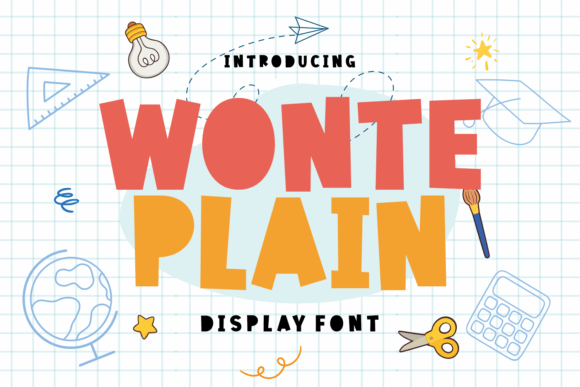
At first glance, Wonte Plain appears deceptively simple, yet its structure holds a distinct charm that sets it apart from generic sans-serifs. The "quirky" nature mentioned in its description isn't an accident; it is a deliberate design choice intended to inject life into static text. Unlike rigid corporate fonts that feel cold and distant, Wonte Plain possesses a warmth that invites the reader in. Its letterforms feature subtle irregularities and playful curves that prevent the text from feeling robotic.
This personality makes it an excellent candidate for brands that want to appear approachable and human. When you see a headline set in this font, it doesn't just convey information; it conveys a mood. It suggests creativity, innovation, and a willingness to break the mold slightly. This emotional resonance is crucial in today's saturated market, where consumers are bombarded with thousands of ads daily. A font like Wonte Plain acts as a visual hook, stopping the scroll and encouraging engagement.
Balancing Whimsy with Legibility
One of the most common pitfalls of display fonts is that they become so stylized that they lose their primary function: readability. However, Wonte Plain strikes a remarkable balance. While it has enough flair to serve as a display typeface, its underlying structure remains grounded. The spacing between characters (kerning) and the height of the letters (x-height) are optimized to ensure that even at smaller sizes, the message remains clear.
This duality allows the font to be used in scenarios where traditional display fonts would fail. You might use it for a sub-headline on a website, a logo for a boutique coffee shop, or even a call-to-action button on a marketing landing page. The fact that it looks "incredibly adept" in these varied roles speaks to the versatility of its design. It proves that a font does not have to choose between being interesting and being useful.
Practical Applications for Professionals and Creators
Understanding where to apply Wonte Plain is key to maximizing its impact. Because it is a display font, it shines brightest when used for headlines, titles, and short bursts of impactful text. It is not typically designed for long-form body copy, such as a novel or a legal contract, but within its intended scope, it offers immense value.
- Brand Identity and Logos: Startups and small businesses often struggle to find a logo font that feels established yet fresh. Wonte Plain provides a perfect middle ground, offering a unique silhouette that helps a brand stand out in a crowded directory.
- Digital Marketing Assets: Social media graphics, email headers, and banner ads require immediate attention. The quirky elements of this font help these assets pop against the clean, often sterile backgrounds of platforms like Instagram or LinkedIn.
- Packaging Design: For consumer goods, especially those targeting younger demographics or lifestyle markets, packaging needs to communicate fun and quality simultaneously. This font works exceptionally well on labels for artisanal foods, cosmetics, or craft beverages.
- Web Headers and UI Elements: In web design, navigation menus and hero section headlines benefit from a font with character. Using Wonte Plain here can define the tone of the entire site immediately upon loading.
Evaluating Suitability for Your Project
Before integrating Wonte Plain into your workflow, it is essential to evaluate whether it aligns with your specific project goals. Not every brand benefits from a quirky aesthetic. If your industry relies heavily on conveying absolute seriousness, such as heavy industrial manufacturing or certain sectors of finance, the playful nature of this font might undermine your message. In these cases, a more traditional serif or geometric sans-serif might be safer.
However, if your goal is to connect with an audience on a personal level, to show that your company has a pulse and a point of view, then this font is likely a strong contender. Consider the following questions when making your decision:
- Does my brand voice include humor, warmth, or creativity?
- Am I trying to differentiate myself from competitors who use standard, boring fonts?
- Will the text be read quickly, or will users linger over it?
- Does the font pair well with the other visual elements of my design system?
If you answer yes to the majority of these, Wonte Plain could be the missing piece in your design puzzle. It is particularly effective when paired with a neutral, clean sans-serif for body text. This combination creates a hierarchy where the quirky display font grabs attention, and the plain body font delivers the details efficiently.
Navigating Limitations and Expectations
Like any specialized tool, Wonte Plain comes with considerations. As a display font, it may not offer the extensive range of weights (from thin to black) that a comprehensive text family provides. Users should expect it to perform best in bold or medium weights rather than ultra-light variations. Additionally, because of its unique character shapes, it requires careful handling in tight spaces. Overcrowding the letters can obscure the very quirks that make the font special.
Furthermore, accessibility is a critical factor. While the font is generally legible, designers must ensure there is sufficient contrast between the text color and the background. The decorative elements should never interfere with the recognition of the letter itself. Testing the font across different devices and screen sizes is a necessary step before finalizing any major campaign. What looks great on a high-resolution desktop monitor might behave differently on a mobile screen, and ensuring consistency across all touchpoints is vital for a professional presentation.
Real-World Scenarios and Success Stories
Imagine a local bakery launching a new line of seasonal pastries. Their current branding uses a standard, elegant script that feels a bit old-fashioned. By switching their promotional posters and social media captions to Wonte Plain, they instantly signal a shift towards modern, fun, and accessible treats. The font's quirkiness matches the joy of eating a delicious pastry, creating a cohesive narrative.
Consider another scenario: a tech startup developing an app for mental wellness. They need a font that feels supportive and non-clinical. A stark, corporate font would feel too cold, while a childish font would lack credibility. Wonte Plain offers the perfect solution—friendly and inviting, yet mature enough to be trusted. It bridges the gap between empathy and functionality, helping users feel comfortable engaging with the platform.
These examples illustrate that the value of a font extends beyond aesthetics; it influences perception and behavior. By choosing a typeface like Wonte Plain, creators are making a strategic decision about how their audience perceives their work. It is a tool for storytelling, allowing the text itself to contribute to the overall narrative arc of the brand.
Conclusion: Embracing Unique Typography
In a world of standardized design templates, the ability to select a font with genuine character is a significant advantage. Wonte Plain represents a thoughtful approach to typography, one that values expression without sacrificing utility. It serves as a reminder that good design does not always mean minimalism; sometimes, it means adding a little bit of spice to engage the senses.
For professionals and enthusiasts alike, exploring fonts like this opens up new avenues for creativity. Whether you are designing a logo, crafting a website, or planning a marketing campaign, taking the time to understand the strengths and limitations of your chosen typeface pays dividends. Wonte Plain stands ready to bring a touch of whimsy and professionalism to your next project, proving that the right font can indeed make all the difference. As you move forward in your creative endeavors, remember that the details matter, and the typeface you choose is one of the most powerful details at your disposal.