Akeapy: A Practical Guide to Retro Groove Typography
In the landscape of digital design, typography often serves as the primary vehicle for establishing mood and context. When a project demands a specific connection to the past—particularly the vibrant, optimistic era of the 1970s—designers frequently turn to display fonts that embody that spirit. Akeapy is one such typeface, designed to capture the essence of retro funk with playful, distinctive letterforms. However, selecting a font like Akeapy requires more than just an appreciation for vintage aesthetics; it involves understanding how its specific characteristics function within modern layouts, how it compares to broader categories of retro typefaces, and when it is the most appropriate tool for a specific design challenge.
The Distinctive Character of Akeapy
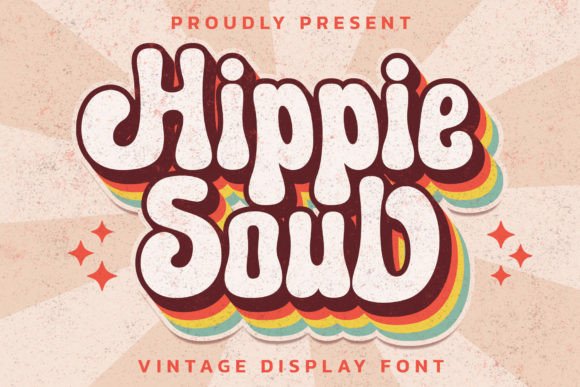
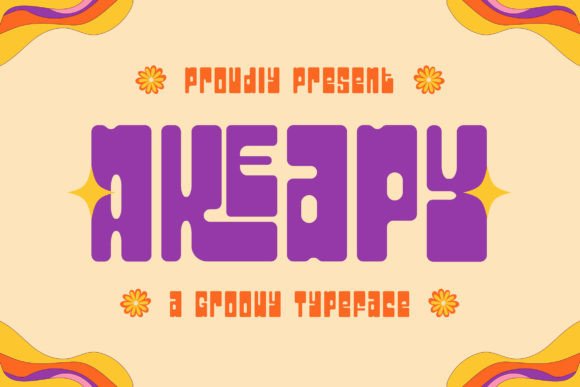
Akeapy distinguishes itself through a deliberate departure from rigid geometric structures in favor of organic, flowing shapes that suggest movement. Unlike standard serif or sans-serif fonts intended for body copy, Akeapy is a display typeface engineered to command attention. Its letterforms are characterized by exaggerated curves, varying stroke widths, and a rhythmic quality that mimics the swing of disco music. This "groovy" aesthetic is not merely decorative; it is structural, influencing how the eye travels across a headline or logo.
The font's design philosophy centers on nostalgia without sacrificing legibility at larger sizes. Each character is meticulously crafted to infuse projects with a sense of fun, making it particularly effective for headlines, logos, and short bursts of text where personality is paramount. The distinctiveness of Akeapy lies in its ability to evoke the 1970s cultural zeitgeist—characterized by bold colors, social liberation, and artistic experimentation—while remaining functional in contemporary digital environments. Whether used for a festival poster or a brand identity, the font acts as an immediate visual cue, signaling to the audience that the content is rooted in a specific, energetic historical moment.
Categorizing Retro Typefaces: Where Akeapy Fits
To evaluate Akeapy effectively, it is necessary to understand the broader category of retro-inspired typography. Vintage fonts generally fall into several sub-genres, each with its own strengths and limitations. Some prioritize strict historical accuracy, replicating the technical constraints of 1970s printing presses. Others lean heavily into caricature, exaggerating features to the point of abstraction. Akeapy occupies a middle ground, offering a stylized interpretation that feels authentic to the era but is optimized for modern screen rendering and vector scaling.
When compared to other approaches in this category, Akeapy stands out for its balance between whimsy and usability. Many alternative retro fonts suffer from overly complex details that can blur or become illegible when scaled down for mobile interfaces or social media thumbnails. In contrast, Akeapy maintains clarity even at smaller display sizes, provided it is not used for extended paragraphs. It differs significantly from "handwritten" style retro fonts, which often lack consistency, and from "geometric" retro fonts, which can feel too sterile. Instead, Akeapy offers a structured yet fluid appearance that aligns well with current trends in branding that value human-centric, approachable design.
Strengths and Tradeoffs in Design Application
The primary strength of Akeapy is its versatility within the realm of thematic design. It excels in contexts where the goal is to create an emotional connection through nostalgia. For instance, in event invitations for a disco-themed party or a 70s revival concert, Akeapy provides an instant atmospheric setting that generic fonts cannot achieve. Its playful nature also makes it suitable for creative industries, such as boutique coffee shops, record labels, or lifestyle brands that wish to project an image of authenticity and creativity.
However, these strengths come with inherent tradeoffs. Because Akeapy is so visually dominant, it is not suitable for body text. Using it for long-form content would result in poor readability and visual fatigue. Designers must be disciplined in their application, restricting the font to headlines, pull quotes, or logos. Additionally, the heavy reliance on curves and varied stroke weights means that Akeapy may not pair well with other highly ornate typefaces. To maintain visual hierarchy, it requires careful pairing with neutral, clean sans-serif fonts for supporting text.
Another consideration is the potential for overuse. As retro aesthetics have seen a resurgence in recent years, there is a risk of designs feeling derivative if the wrong font is chosen for the wrong context. Akeapy works best when the content genuinely aligns with the themes of fun, rhythm, and nostalgia. Applying it to serious corporate communications or minimalist tech products would likely create a dissonance that undermines the message rather than enhancing it.
Evaluating Alternatives and Decision Factors
When deciding whether to incorporate Akeapy into a project, designers should weigh it against other available resources. If a project requires a more subtle nod to the 1970s—perhaps a muted, sophisticated look rather than a loud, colorful statement—a different typeface might be more appropriate. Fonts that focus on the cleaner lines of early 70s Swiss design or the softer curves of late 60s psychedelia offer different tonal qualities. Akeapy is specifically tuned for the high-energy, funky side of the decade.
Furthermore, the decision to use Akeapy should factor in the medium of delivery. While it performs well in print materials like posters and packaging, its performance on web interfaces depends on loading times and rendering engines. Like many custom display fonts, it requires proper web font optimization to ensure fast load speeds. If a project prioritizes speed and accessibility above all else, a system font or a simpler web-safe alternative might be a pragmatic choice, though this comes at the cost of unique branding.
Designers should also consider the longevity of the trend. While retro styles cycle in and out of fashion, the core appeal of Akeapy is its ability to tap into a timeless sense of joy and creativity. However, relying too heavily on a specific decade's aesthetic can date a brand quickly if the trend shifts. A balanced approach involves using Akeapy for specific campaigns or seasonal updates rather than as the permanent cornerstone of a brand identity, unless the brand itself is inherently tied to that era.
Practical Use Cases and Implementation
For those who determine that Akeapy is the right fit, successful implementation relies on strategic placement. It is ideal for:
- Retro Branding: Creating logos for businesses that want to stand out in crowded markets with a friendly, approachable vibe.
- Event Marketing: Designing flyers and digital invites for concerts, festivals, and parties where energy and excitement are key selling points.
- Social Media Content: Crafting eye-catching headers for Instagram stories or TikTok overlays that need to stop the scroll immediately.
- Packaging Design: Adding a layer of personality to product labels, particularly for food, beverages, or artisanal goods.
Conversely, Akeapy is less suitable for:
- Corporate Reports: Documents requiring neutrality and strict data presentation.
- Body Copy: Any text block exceeding a few words.
- Minimalist Interfaces: User interfaces where clarity and simplicity are the primary goals.
Making an Informed Choice
Ultimately, the decision to use Akeapy should be driven by the specific goals of the design project and the intended emotional response of the audience. It is a powerful tool for injecting character and rhythm into visual communication, but like any specialized instrument, it requires skill and discernment to wield effectively. By understanding its distinct features, recognizing its limitations, and comparing it thoughtfully against other typographic options, designers can ensure that their work resonates with the target audience without falling into the trap of cliché.
Whether you are revamping a brand identity or creating a one-off campaign, Akeapy offers a unique opportunity to bridge the gap between past and present. Its ability to capture the spirit of the 70s while functioning in a modern digital ecosystem makes it a valuable asset for those willing to embrace its playful, groovy nature. By evaluating the context, considering the alternatives, and applying the font with intention, you can create designs that not only look good but also tell a compelling story.