Lucky Cherry: A Strategic Guide to Typography for Impactful Branding
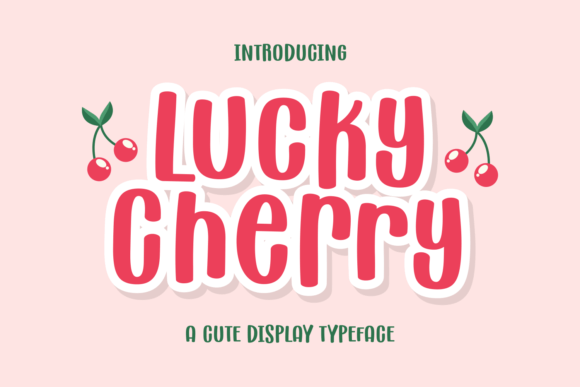
In the crowded digital landscape, visual communication often dictates the first impression a brand makes. For entrepreneurs, marketers, and creators, selecting the right typeface is not merely an aesthetic choice; it is a strategic decision that influences readability, emotional resonance, and conversion rates. Lucky Cherry stands out as a display font designed with a distinctively cute and playful style. While its primary function is decorative, understanding how to deploy Lucky Cherry effectively can significantly enhance the impact of headlines, posters, and marketing materials. This guide explores the practical application of this font, helping you make informed decisions about when and how to integrate it into your design workflow for maximum return on investment.
The Strategic Value of Playful Typography
Typography serves as the voice of your written content. Before considering specific fonts, one must understand the psychological effect of letterforms on the audience. Lucky Cherry offers a delightful display aesthetic that immediately signals approachability, fun, and creativity. In a market where professionalism often equates to stiffness, a well-placed injection of playfulness can differentiate a brand from its competitors. However, the strategic value of Lucky Cherry lies not in its inherent cuteness, but in its ability to align with specific brand personas and campaign goals.
For small business owners and freelancers targeting younger demographics or industries centered around leisure, education, and lifestyle, this font acts as a powerful hook. It breaks the monotony of standard sans-serif headers, drawing the eye and encouraging engagement. When used correctly, Lucky Cherry transforms a standard announcement into an event worth attending. The key is recognizing that "cute" does not mean "unprofessional"; rather, it means "human-centric." By leveraging the playful design of Lucky Cherry, communicators can soften their message, making complex or dry information feel more accessible and inviting.
Aligning Font Choice with Brand Positioning
Every brand occupies a specific position in the minds of consumers. If your positioning relies on trust, authority, and stability, Lucky Cherry may introduce cognitive dissonance. Conversely, if your strategy involves building community, celebrating milestones, or promoting creative services, this font becomes an asset. Decision-makers must evaluate whether the playful nature of the typeface supports their long-term brand narrative. Using Lucky Cherry requires a clear understanding of your target audience's expectations. A law firm might find it inappropriate for legal briefs but highly effective for a "Summer Family Law Workshop" flyer aimed at parents.
Strategic alignment ensures that every visual element works toward a unified goal. When you choose Lucky Cherry, you are signaling that your brand values joy, innovation, and a break from the norm. This signal must be consistent across all touchpoints. If your website uses corporate minimalism but your social media graphics utilize Lucky Cherry without context, the result is a fragmented identity. Therefore, the integration of this font should be deliberate, supporting a broader communication plan rather than serving as a random stylistic flourish.
Optimal Use Cases for Lucky Cherry
To achieve better results with Lucky Cherry, it is essential to identify scenarios where its characteristics provide the most value. As a display font, it is best suited for short bursts of text where visual impact outweighs the need for extended readability. Its playful design adds a touch of fun to any project, but only when applied to the right medium.
- Headlines and Titles: The primary strength of Lucky Cherry lies in its ability to grab attention in headlines. Whether for a blog post about creative hobbies or a newsletter subject line, the font creates immediate intrigue.
- Posters and Event Flyers: Visual marketing materials benefit immensely from distinctive typography. For workshops, parties, or product launches, Lucky Cherry sets an energetic tone before the viewer even reads the details.
- Social Media Graphics: In the fast-scrolling environment of Instagram or TikTok, static images need to pop. Using Lucky Cherry for overlay text can increase stop-time and engagement rates.
- Packaging and Merchandise: For consumer goods targeting children, families, or hobbyists, the font conveys a sense of delight that can influence purchasing decisions.
It is crucial to note that Lucky Cherry is not designed for body copy. Attempting to use it for paragraphs or lengthy descriptions will degrade readability and frustrate the user experience. The strategic approach involves pairing it with a neutral, highly legible sans-serif or serif font for the main content. This combination allows the playful headline to capture interest while the body text delivers the necessary information clearly.
Enhancing Customer Experience Through Design
Customer experience (CX) extends beyond service interactions; it includes every visual interaction a user has with a brand. A thoughtful use of Lucky Cherry can elevate CX by reducing friction and adding emotional value. When a customer sees a poster or a landing page header that feels friendly and inviting, their guard lowers, and they become more receptive to the message. This is particularly relevant for educators and publishers who aim to make learning or reading feel less like a chore and more like an adventure.
However, the enhancement of CX depends on consistency and relevance. If the font clashes with the overall color palette or imagery, it creates visual noise rather than harmony. Planners and designers must consider the holistic view of the project. Does the "lucky" and "cherry" vibe of the font match the sentiment of the campaign? If the goal is to convey urgency or seriousness, the playful curves of Lucky Cherry might undermine the message. Strategic foresight ensures that the font amplifies the intended emotion rather than confusing it.
Risks and Considerations in Deployment
While Lucky Cherry offers significant benefits, relying on it without clear goals poses risks. The most common pitfall is overuse. Display fonts are potent tools, and using them too frequently dilutes their impact. If every headline, button, and sub-header utilizes Lucky Cherry, the novelty wears off, and the design begins to feel cluttered and unrefined. This can lead to a perception of amateurism, which is detrimental to professional credibility.
Another risk involves accessibility. Playful fonts can sometimes struggle with legibility for users with visual impairments or those viewing content on smaller screens. Marketers and web developers must test how Lucky Cherry renders across different devices and resolutions. Ensuring sufficient contrast between the text and background is non-negotiable. Furthermore, cultural context matters; what appears "cute" in one demographic may appear childish or untrustworthy in another. Decision-makers must research their specific audience to avoid misalignment.
Avoiding Random Application
Intentionality is the hallmark of effective design. Using Lucky Cherry randomly because it looks nice is a recipe for inconsistent branding. Instead, adopt a rule-based approach. Define specific criteria for when the font is appropriate. For example, a company might decide that Lucky Cherry is reserved exclusively for seasonal campaigns, internal newsletters, or specific product lines. This discipline maintains the font's special status and ensures it is always deployed with purpose.
Furthermore, consider the longevity of the design. Trends in typography shift, and overly stylized fonts can date quickly. While Lucky Cherry has a timeless charm in its simplicity, ensuring it pairs well with evergreen design elements helps maintain relevance. Long-term planning involves anticipating how the font will age alongside your brand. If the font feels too tied to a fleeting trend, it may require frequent redesigns, increasing operational costs.
Planning for Long-Term Results
To leverage Lucky Cherry for sustainable growth, integrate it into a comprehensive brand guideline. Document the rules for usage, including size constraints, pairing recommendations, and prohibited contexts. This documentation empowers teams, freelancers, and external agencies to maintain consistency without constant oversight. When everyone understands the strategic role of the font, the brand voice remains cohesive across all channels.
Additionally, measure the impact of your typographic choices. Use A/B testing to compare headlines featuring Lucky Cherry against those using standard fonts. Analyze click-through rates, time-on-page, and conversion metrics. Data-driven insights will reveal whether the playful style is genuinely resonating with your audience or if it is hindering performance. This feedback loop allows for continuous improvement and ensures that your design decisions are grounded in reality rather than assumption.
Ultimately, the success of Lucky Cherry depends on the strategist behind it. It is a tool that, when wielded with precision, can bring joy and clarity to your projects. By focusing on goals, planning carefully, and avoiding common pitfalls, you can get lucky with Lucky Cherry—transforming simple text into a memorable brand experience that drives real results.