Ogend: A Strategic Typography Choice for Modern Branding
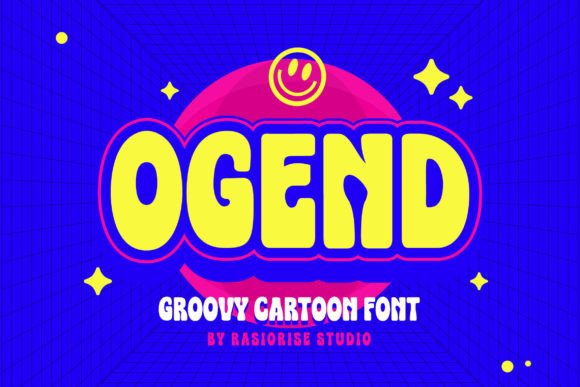
In the crowded landscape of digital communication, the visual hierarchy of your message often determines its success before a single word is read. Ogend has been released specifically to address the need for a retro bold groovy sans-serif font that bridges the gap between nostalgic appeal and contemporary clarity. For entrepreneurs, marketers, and creators aged 20 to 50, selecting typography is not merely an aesthetic decision; it is a strategic move that influences brand perception, user engagement, and operational consistency. Ogend offers a unique opportunity to leverage the psychological comfort of classic design while maintaining the sharpness required for modern media consumption.
The core value of Ogend lies in its hybrid nature. It draws inspiration from the retro classic font style but combines these elements with subtle adjustments to create a bit of a groovy modern style. This synthesis allows brands to evoke a sense of history and authenticity without appearing outdated or difficult to read on high-resolution screens. When you choose Ogend, you are selecting a tool that supports long-term branding goals by balancing emotional resonance with functional legibility.
Defining the Strategic Value of Ogend
Typography serves as the voice of your visual identity. While copywriters craft the words, typefaces deliver the tone. Ogend delivers a tone that is confident, approachable, and distinctively memorable. Its bold weight commands attention, making it ideal for headlines, calls to action, and primary navigation elements where immediate recognition is critical. The "groovy" aspect of the design introduces a human element, softening the rigid structure often found in corporate sans-serifs and fostering a connection with audiences who value creativity and individuality.
For small business owners and freelancers, this distinction is vital. In a market saturated with generic Helvetica derivatives, Ogend provides a differentiator. It signals that a brand is thoughtful about its heritage yet forward-thinking in its execution. This duality supports positioning strategies where a company wants to appear established yet innovative. By integrating Ogend into your visual assets, you communicate a narrative of evolution rather than stagnation, which is crucial for retaining the interest of a dynamic demographic.
Optimizing Use Cases for Maximum Impact
The versatility of Ogend makes it suitable for a wide array of applications, but strategic deployment requires understanding where it performs best. Its robust structure ensures it remains legible even at smaller sizes, though its personality shines most brightly in larger formats. Consider the following practical applications where Ogend can drive specific outcomes:
- Social Media Campaigns: In feeds dominated by fast-scrolling content, Ogend's bold strokes stop the scroll. Use it for quote graphics, event announcements, and promotional banners. The retro vibe aligns well with trends in lifestyle and creative industries, encouraging shares and saves.
- Posters and Event Marketing: Physical and digital posters require immediate readability from a distance. Ogend's high contrast and clear letterforms ensure that key information—dates, locations, and themes—is absorbed instantly. The groovy style adds a layer of excitement that standard fonts lack.
- Stickers and Merchandise: Stickers serve as micro-billboards for your brand. Ogend works exceptionally well here because the font maintains its integrity when scaled down or printed on textured surfaces. It turns a simple sticker into a collectible item that reinforces brand loyalty.
- Digital Interfaces and Headers: While body text requires extreme neutrality, section headers benefit from character. Using Ogend for H1 and H2 tags on websites or within presentations creates a clear visual rhythm, guiding the reader through complex information with a friendly yet authoritative presence.
Integrating Ogend into Your Brand Planning
Adopting a new typeface like Ogend should never be an impulsive decision. It requires integration into a broader brand strategy to ensure consistency across all touchpoints. Before committing to Ogend, evaluate your current visual language. Does your brand voice lean towards playful innovation or serious tradition? Ogend sits comfortably in the middle, but it must be paired with complementary colors and imagery to avoid visual dissonance.
When planning your rollout, consider the context of your audience. If you are targeting a younger demographic (20–35), the retro-groovy aesthetic may resonate deeply, signaling cultural awareness and trend alignment. For older demographics (40–50), the same font might trigger positive nostalgia, recalling a time of optimism and design experimentation. Understanding these nuances allows you to tailor your messaging effectively. For instance, a marketing campaign using Ogend for a vintage-inspired product line will feel cohesive, whereas using it for a sterile financial report would likely confuse the viewer.
Furthermore, consistency is the key to building brand equity. Once you decide to use Ogend for social media, posters, and stickers, establish guidelines for its usage. Define which weights to use for emphasis, what spacing (kerning) works best for headlines, and how it pairs with secondary typefaces for body copy. This disciplined approach ensures that every piece of content reinforces the same brand story, leading to better recall and trust over time.
Risks of Contextual Misalignment
Despite its strengths, Ogend is not a universal solution. Relying on it without clear goals or context can dilute your brand's message. The primary risk lies in overuse or inappropriate application. Because Ogend is bold and expressive, using it for large blocks of body text can lead to reader fatigue. The distinctive curves and thick lines, while charming in short bursts, can become visually noisy when stretched across paragraphs.
Another potential pitfall is the mismatch between the font's personality and the brand's core values. If your organization prides itself on clinical precision, minimalism, or severe authority, the groovy elements of Ogend may undermine that perception. It is essential to audit your brand pillars before implementation. If the goal is to convey strict regulation or somber news, a more neutral sans-serif is likely a safer choice. Using Ogend in these scenarios could be perceived as unprofessional or dismissive of the subject matter.
Additionally, there is the risk of trend dependency. While retro styles have enduring appeal, they can sometimes feel dated if not executed with a modern twist. Ogend addresses this by combining classic roots with modern refinements, but the designer must still be mindful of how it is presented. Avoid pairing it with other overly stylized elements that compete for attention. Let Ogend stand out by surrounding it with clean, uncluttered layouts that allow its form to breathe.
Decision-Making Framework for Implementation
To maximize the return on investment for adopting Ogend, follow a structured decision-making process. First, define the specific problem you are trying to solve. Is your current branding too bland? Are your social media posts getting lost in the feed? Do you need a font that works equally well on a mobile screen and a vinyl decal? If Ogend solves these specific problems, it is a viable candidate.
Second, conduct a compatibility test. Download the font and apply it to three different mockups: a social media post, a poster, and a website header. Observe how it interacts with your existing color palette and logo. Does it enhance the overall composition, or does it clash? Seek feedback from a diverse group of stakeholders, including those outside your immediate team, to gauge the intuitive reaction to the font.
Third, plan for scalability. Ensure that Ogend is available in the necessary file formats for both web and print. Check for ligatures, alternate characters, and special glyphs that might add value to your specific use cases. Having a comprehensive toolkit ensures that you can adapt the font to future needs without having to switch typefaces later, which would disrupt brand continuity.
Long-Term Value and Operational Efficiency
Beyond aesthetics, the right typography contributes to operational efficiency. When a brand establishes a clear typographic system with a versatile font like Ogend, the time spent on design decisions decreases. Designers and content creators no longer need to debate font choices for every new project; they simply apply the established rules. This streamlines production workflows, allowing teams to focus on content quality and strategic messaging rather than formatting details.
Moreover, a consistent visual identity built around a strong typeface improves customer experience. Familiarity breeds trust. When customers see Ogend on a sticker, a social media ad, and a physical poster, they instantly recognize the source. This recognition reduces cognitive load, making the interaction smoother and more enjoyable. Over the long term, this consistency translates into stronger brand loyalty and higher conversion rates, as the audience feels a deeper connection to a brand that presents itself coherently.
Ultimately, Ogend is more than just a collection of letters; it is a strategic asset. By understanding its origins, its capabilities, and its limitations, you can deploy it intentionally to support your business objectives. Whether you are launching a new product, rebranding an existing venture, or simply looking to refresh your content strategy, Ogend offers a robust foundation for creating work that is both visually striking and strategically sound. Use it with purpose, and it will serve as a powerful vehicle for your brand's story.