Paper Moon: A Strategic Guide to Leveraging Playful Typography
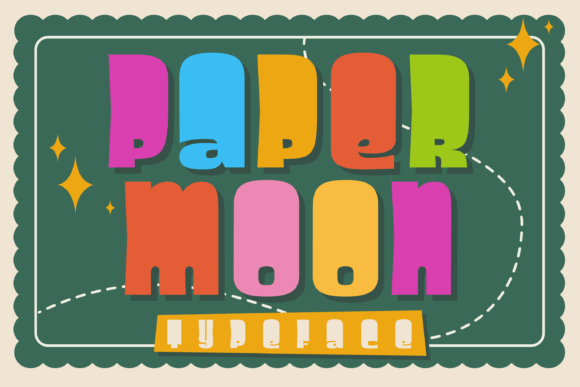
In the crowded landscape of visual communication, the choice of typeface is rarely just an aesthetic decision; it is a strategic signal. Paper Moon stands out as a lively and bold display font bursting with playful charm, offering a distinct alternative to the sterile minimalism that dominates modern web design. Its whimsical curves and chunky letterforms evoke a sense of fun and creativity, making it perfect for headlines, posters, invitations, and children's book covers. However, integrating a personality-driven font like Paper Moon into a brand ecosystem requires more than simply liking its appearance. It demands a calculated approach to ensure that the joy it brings to your designs translates into tangible business outcomes, such as increased engagement, stronger brand recall, and clearer communication.
For entrepreneurs, marketers, and creative professionals aged 20 to 50, the temptation to use bold typography often stems from a desire to stand out. Yet, standing out without a purpose can lead to visual noise rather than clarity. To utilize Paper Moon effectively, one must first understand its inherent character and how that character aligns with specific organizational goals. This guide explores the practical application of Paper Moon, moving beyond surface-level aesthetics to examine how thoughtful typography supports planning, positioning, and long-term value.
Defining the Character and Utility of Paper Moon
Paper Moon is not a neutral typeface. Unlike sans-serif workhorses designed for maximum legibility in body text, Paper Moon is a statement piece. Its defining features—whimsical curves and chunky letterforms—are engineered to capture attention instantly. In a strategic context, this makes Paper Moon an ideal tool for breaking through the "banner blindness" that plagues digital advertising and social media feeds. When a user scrolls past a dozen generic headlines, the organic, hand-drawn feel of Paper Moon interrupts the pattern, inviting a closer look.
The utility of this font lies in its ability to humanize a brand. In an era where automation and AI-generated content are prevalent, the slightly imperfect, organic nature of Paper Moon suggests a human touch. It signals that the creator behind the message values creativity and warmth over rigid corporate conformity. For small business owners and freelancers, this can be a powerful differentiator. By adding a touch of joy to your designs with Paper Moon, you are not just decorating a page; you are setting a tone that invites connection. This is particularly effective for brands targeting families, educators, or communities focused on hobbies and lifestyle enrichment.
Strategic Alignment: When to Deploy Paper Moon
The most common mistake in typography strategy is using a display font indiscriminately. Paper Moon should be deployed with precision, reserved for moments where emotional resonance is the primary objective. Before relying on it, consider the specific context and the desired outcome of the communication.
High-Impact Headlines and Branding
The strongest use case for Paper Moon is in headlines where the goal is immediate emotional engagement. Whether designing a poster for a community event or crafting the title card for a blog post about creative parenting, Paper Moon sets the stage. It tells the reader, "This content is fun, accessible, and welcoming." For branding purposes, it works exceptionally well as a logo element or a secondary brand mark for companies in the education, entertainment, or retail sectors. However, it is crucial to pair it with a highly legible, neutral sans-serif or serif font for body copy to maintain readability while preserving the playful identity.
Invitations and Event Marketing
Invitations are inherently celebratory, and the stakes for visual appeal are high. A wedding invitation, a birthday party flyer, or a workshop announcement benefits immensely from the whimsical curves of Paper Moon. In these scenarios, the font acts as a psychological cue, lowering barriers to entry and making the event feel exclusive yet approachable. Marketers should note that this font excels at driving RSVP rates for casual or family-oriented events by creating an atmosphere of anticipation before the recipient even reads the details.
Children's Content and Educational Materials
For publishers and educators, Paper Moon is a natural fit for children's book covers and educational worksheets. The chunky letterforms are easy for young eyes to process, and the playful style aligns with the developmental need for stimulation and fun. Strategically, using this font in educational materials can increase retention and interest among younger demographics. It transforms learning from a chore into an adventure, supporting the broader goal of engagement in early childhood development programs.
Planning for Long-Term Value and Consistency
While the immediate impact of Paper Moon is undeniable, its long-term value depends on consistency and context. A brand that uses a playful font sporadically risks confusing its audience. If your brand voice is generally serious and authoritative, introducing Paper Moon without a clear transition strategy can create cognitive dissonance. To avoid this, integrate the font into a comprehensive visual identity system.
Develop a style guide that dictates exactly when and how Paper Moon appears. Does it only appear on social media graphics? Is it reserved for seasonal campaigns? Or is it a permanent fixture of your logo suite? Clear guidelines prevent the font from becoming a gimmick. Instead, it becomes a reliable asset that reinforces your brand's personality over time. For decision-makers, this means viewing typography as part of the operational workflow, ensuring that every designer or freelancer understands the rules of engagement for using Paper Moon.
- Define the Scope: Limit usage to headlines, logos, and large display text to maintain hierarchy.
- Establish Pairings: Select complementary fonts that provide contrast without competing for attention.
- Set Emotional Goals: Ensure every instance of Paper Moon serves a specific emotional purpose, such as delight, curiosity, or welcome.
Risks of Unintentional Use
Despite its charm, Paper Moon carries risks if used without clear goals or context. The primary danger is undermining credibility. In industries requiring trust, authority, and seriousness—such as finance, legal services, or healthcare—overusing a whimsical font can make a brand appear amateurish or unreliable. Even in creative fields, if the font is applied to dense blocks of text, it will fail functionally. The very curves and chunkiness that make it attractive also reduce legibility at smaller sizes.
Furthermore, there is the risk of trend fatigue. While playful typography is currently popular, trends shift. Relying too heavily on a single stylistic flourish can date a brand quickly. To mitigate this, treat Paper Moon as a flavor enhancer rather than the main course. It should support the message, not overpower it. If the font distracts from the core information or call to action, it has failed its strategic purpose.
Decision-Making Framework for Creators
To ensure you are using Paper Moon intentionally rather than randomly, adopt a simple decision-making framework before applying it to any project. Ask yourself three critical questions:
- What is the primary emotion I want to evoke? If the answer is joy, excitement, or playfulness, Paper Moon is a strong candidate. If the goal is efficiency, urgency, or solemnity, look elsewhere.
- Is the context appropriate for a display font? Ensure the text is short enough to be read quickly and that the background provides sufficient contrast for the complex shapes.
- Does this align with my broader brand narrative? Will this font confuse existing customers, or will it reinforce the personality they already know and trust?
By answering these questions, you move from reactive design choices to proactive strategic planning. This approach ensures that every pixel serves a purpose, contributing to better results and a more cohesive brand experience.
Optimizing Customer Experience Through Typography
Ultimately, the choice of font influences the customer experience (CX). Good CX is about reducing friction and enhancing satisfaction. Paper Moon enhances satisfaction by creating a positive emotional response. When a customer encounters a brand that feels friendly and creative, their perception of the product or service improves. This is known as the "halo effect," where positive attributes in one area (the design) spill over to influence perceptions in others (the quality of the service).
However, this only works if the execution is clean. Poor kerning, inappropriate sizing, or clashing colors can negate the benefits. To optimize CX, test your designs with real users. Does the headline grab them? Do they understand the message immediately? Is the overall feel consistent with what they expect from your brand? Continuous testing and iteration ensure that your use of Paper Moon remains effective and relevant.
Conclusion: Intentionality Over Impulse
Paper Moon is a powerful tool for those who know how to wield it. Its lively and bold nature offers a unique opportunity to inject personality into communications that might otherwise feel flat. But like any strategic asset, its value is determined by how thoughtfully it is applied. By understanding its strengths, respecting its limitations, and aligning its use with clear business goals, you can leverage Paper Moon to create designs that are not only beautiful but also effective. Whether you are launching a new product, planning an event, or rebranding a small business, let intentionality guide your hand. Add a touch of joy to your designs with Paper Moon, but do so with the confidence of a strategist who knows exactly why it matters.