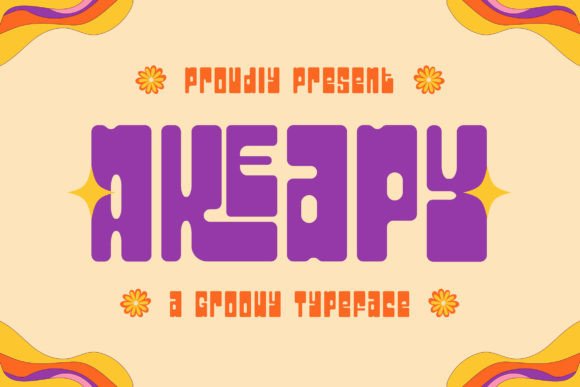
Alphabit Soup: A Strategic Guide to Nostalgic Typography
In the crowded landscape of digital communication, where attention spans are shrinking and visual fatigue is rising, the strategic selection of typography becomes a critical differentiator. Alphabit Soup is not merely a decorative font; it is a deliberate design choice that leverages the psychological power of nostalgia to build immediate rapport with an audience. By mimicking the playful, irregular shapes of childhood cereal or alphabet soup, this typeface bridges the gap between professional messaging and emotional connection. For entrepreneurs, educators, and marketers, understanding how to deploy Alphabit Soup effectively can transform a standard brand identity into a memorable, human-centric experience.
The Psychology Behind Playful Typography
Before integrating any new visual element into a brand strategy, one must understand the underlying cognitive response it triggers. Alphabit Soup operates on the principle of "warm nostalgia." Unlike generic serif or sans-serif fonts that prioritize neutrality, this design invites the viewer to recall the tactile sensation of finding letters in a bowl of soup or the excitement of learning to read through edible shapes. This association bypasses analytical defenses and accesses the limbic system, the part of the brain responsible for emotion and memory.
For decision-makers targeting adults aged 20 to 50, this demographic often harbors a complex relationship with their past. They value authenticity and crave experiences that feel genuine rather than manufactured. When used correctly, Alphabit Soup signals approachability and creativity. It suggests that a brand does not take itself too seriously but still respects the intelligence of its audience. However, this emotional leverage is only effective if the context aligns with the message. Using a whimsical font to convey urgent financial data or legal warnings would be a strategic error, diluting credibility and confusing the user's intent.
Aligning Brand Voice with Visual Identity
The utility of Alphabit Soup lies in its ability to soften the edges of corporate communication without sacrificing clarity. In branding operations, consistency is key, but rigidity can lead to stagnation. Introducing a font with character allows a business to pivot its tone from purely transactional to relational. Consider a children's educational app, a creative agency, or a lifestyle blog focused on family wellness. In these scenarios, the font acts as a visual shorthand for the brand's values: fun, learning, and warmth.
Strategic implementation requires more than just downloading the file. It demands a holistic review of the brand's voice guidelines. If your copy is formal and dense, pairing it with Alphabit Soup creates a dissonance that frustrates the reader. Conversely, if your copy is conversational and engaging, this typeface amplifies the sentiment. The goal is to create a unified sensory experience where the words and the way they look reinforce each other. This alignment ensures that the audience receives a coherent message, enhancing trust and retention.
Practical Applications and Use Cases
To achieve better results with Alphabit Soup, one must identify specific touchpoints where playfulness adds value rather than noise. The font excels in environments where the primary objective is engagement, discovery, or emotional connection. Below are strategic scenarios where this design choice yields measurable benefits.
- Educational Materials and Workbooks: For educators and publishers creating content for young learners or adult hobbyists, Alphabit Soup reduces the intimidation factor of learning. It transforms text from a chore into a game, increasing time-on-page and information retention.
- Event Marketing and Invitations: When promoting community events, workshops, or product launches with a casual vibe, this font sets the right expectation. It tells the attendee that the event will be interactive and enjoyable, potentially boosting conversion rates on ticket sales.
- Packaging Design for Lifestyle Products: Small business owners selling organic foods, toys, or home goods can use this typography to differentiate their packaging on crowded shelves. The unique shape of the letters draws the eye and suggests a handcrafted, thoughtful origin story.
- Social Media Graphics: In the fast-scrolling environment of social platforms, static text often gets ignored. Alphabit Soup breaks the pattern recognition of standard fonts, stopping the scroll and encouraging users to pause and read the caption.
However, versatility has limits. While Alphabit Soup is excellent for headlines, pull quotes, and short bursts of text, it is generally unsuitable for long-form body copy. The irregularity of the letterforms can cause eye strain when reading paragraphs, leading to higher bounce rates. A prudent strategy involves using the font as an accent—drawing attention to key messages while relying on a clean, legible sans-serif for detailed explanations.
Planning Your Typography Hierarchy
Effective planning involves establishing a clear hierarchy where Alphabit Soup serves a specific role within the broader design system. Do not treat it as the default typeface for all communications. Instead, define its function explicitly. Is it the hero font for your logo? Is it reserved for seasonal campaigns? Or is it the signature style for your newsletter headers?
When planning a campaign, map out the customer journey. At the awareness stage, you might use the font to grab attention with a bold, whimsical headline. As the customer moves to the consideration stage, transition to more neutral typography to provide clear, trustworthy information. Finally, at the decision stage, reintroduce elements of the playful font to remind them of the positive emotional connection established earlier. This rhythmic use of typography guides the user through the funnel without overwhelming them.
Risks of Contextual Misalignment
Despite its charm, Alphabit Soup carries inherent risks if deployed without clear goals. The most significant danger is the erosion of authority. In industries such as finance, healthcare, or legal services, professionalism is paramount. Using a font that resembles alphabet soup in these contexts can inadvertently signal incompetence or a lack of seriousness. Clients seeking expert advice need to feel confident that their provider is grounded and reliable. A whimsical font can undermine that perception instantly.
Furthermore, there is the risk of visual clutter. Because the letters in Alphabit Soup are designed to look like distinct morsels, they can sometimes compete with other graphic elements. If paired with busy backgrounds, complex illustrations, or other decorative fonts, the result is a chaotic visual experience that confuses the user. This confusion leads to poor decision-making on the part of the audience, as they struggle to parse the core message.
Another pitfall is overuse. Nostalgia is powerful, but it loses its impact when saturated. If every piece of communication uses the same playful font, the novelty wears off, and the design begins to feel dated or juvenile. To maintain long-term value, brands should rotate their typographic choices or reserve Alphabit Soup for special occasions and high-impact moments. This scarcity ensures that when the font does appear, it stands out and retains its emotional resonance.
Decision-Making Framework for Implementation
Before committing to Alphabit Soup for a project, apply a simple decision-making framework to ensure it aligns with your strategic objectives. Ask yourself three critical questions:
- What is the primary emotion I want to evoke? If the answer is trust, stability, or urgency, this font may not be the right tool. If the goal is joy, curiosity, or comfort, it is a strong candidate.
- Who is my specific audience for this piece of content? Are they looking for entertainment and inspiration, or are they seeking technical specifications and hard data? Tailor the font choice to the mindset of the reader at that moment.
- Does this support my long-term brand positioning? Will using this font today make it harder to evolve the brand tomorrow? Ensure that the playful nature of the font complements, rather than contradicts, your overall brand narrative.
By answering these questions honestly, you move away from random aesthetic choices toward intentional design strategies. This approach minimizes the risk of miscommunication and maximizes the return on investment for your creative efforts.
Testing and Iteration
Even with careful planning, the only way to know if Alphabit Soup works for your specific context is to test it. Run A/B tests on landing pages, email subject lines, or social media posts. Compare performance metrics such as click-through rates, time spent on page, and conversion rates against versions using standard typography. Data-driven insights will reveal whether the nostalgic appeal translates into tangible business outcomes.
If the data shows that the playful font increases engagement but decreases conversions, it may indicate that while the audience likes the look, they do not find the message credible enough to act. In such cases, adjust the usage. Perhaps limit the font to the header only, or pair it with stronger calls to action and more authoritative imagery. Iteration is the hallmark of successful design strategy.
Long-Term Value and Adaptability
Ultimately, the value of Alphabit Soup extends beyond a single campaign. It represents a commitment to humanizing the brand experience. In an era dominated by AI-generated content and automated interactions, the warmth of a font that recalls childhood memories offers a rare sense of humanity. Brands that successfully integrate this level of thoughtfulness into their visual identity often enjoy deeper loyalty and advocacy from their customers.
However, adaptability remains crucial. Trends shift, and what feels fresh today may feel cliché in five years. The strategic use of Alphabit Soup involves treating it as a versatile tool in a larger toolkit, not the entire toolbox. By balancing its whimsical nature with solid, timeless design principles, businesses can enjoy the benefits of nostalgia while maintaining the flexibility to evolve. This balanced approach ensures that your brand remains relevant, resonant, and ready to meet the changing needs of your audience.
In conclusion, Alphabit Soup is a powerful asset for those who understand its nuances. It is not a shortcut to success but a strategic lever that, when pulled with precision and purpose, can elevate communication, foster connection, and drive meaningful results. By grounding its use in clear goals, realistic expectations, and rigorous testing, creators and decision-makers can harness the magic of alphabetic morsels to build brands that people love and remember.