Asian Ink Brush: A Guide to Mastering Sumi-Style Typography
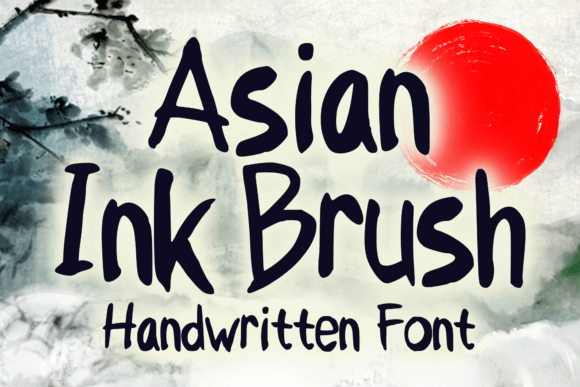
In the crowded landscape of digital typography, finding a font that genuinely captures the spirit of hand-crafted artistry can be difficult. Asian Ink Brush stands out as a beautiful and playful sumi brush ink handwritten font designed to bring the fluidity of traditional East Asian calligraphy into modern design projects. Whether you are crafting a logo for a boutique tea shop or designing a casual t-shirt for an indie band, this typeface offers a distinct aesthetic that feels organic and human. However, like any specialized tool, its power lies in how well you understand its limitations and strengths. Using it without a clear strategy can lead to designs that feel messy rather than artistic.
Understanding the Character of Asian Ink Brush
Asian Ink Brush is not merely a script font; it is a digital interpretation of wet ink on paper. The strokes vary in thickness, mimicking the pressure changes of a real brush, and the edges often feature the slight irregularities found in genuine sumi-e painting. This makes it an excellent choice for projects requiring a casual touch, such as greeting cards, stickers, posters, and packaging designs. It bridges the gap between rigid sans-serif fonts and overly decorative scripts, offering a middle ground that is both legible and expressive.
Many designers are drawn to this style because it instantly communicates creativity, tradition, and approachability. For entrepreneurs launching lifestyle brands or educators creating engaging materials, the font suggests a hands-on, personal connection. Yet, the very qualities that make it charming—its variability and "wet" look—are also where most users stumble. Without careful application, the natural texture of the font can clash with other design elements or become unreadable at smaller sizes.
Common Pitfalls When Choosing and Applying the Font
One of the most frequent mistakes I see is treating Asian Ink Brush as a universal solution for all text. Because it looks so artistic, there is a temptation to use it for long paragraphs of body copy. This is a critical error. The intricate details and varying stroke widths that define the font's character make it difficult to read when stretched across multiple lines. If you use it for a book's main text or a website's blog content, you will likely frustrate your audience, causing them to abandon the page due to poor readability.
Another common oversight involves pairing the font with incompatible typefaces. Since Asian Ink Brush has a strong personality, it competes aggressively with other display fonts. Placing it next to another highly decorative script or a bold, ornate serif creates visual noise. The result is a design that feels chaotic rather than curated. Instead of enhancing the message, the typography distracts from it, lowering the perceived quality of your work.
Furthermore, many creators overlook the importance of spacing and kerning. In traditional calligraphy, negative space is just as important as the ink itself. Digital versions of brush fonts sometimes have default spacing that feels too tight or too loose depending on the context. Ignoring these adjustments can make headlines look cramped or disjointed, ruining the flow of the design. This lack of attention to detail often leads to a final product that looks amateurish, even if the concept was sound.
The Impact of Poor Execution on Your Brand
When these mistakes occur, the consequences extend beyond simple aesthetics. For small business owners and marketers, typography is a primary vehicle for brand communication. If your packaging uses Asian Ink Brush incorrectly, customers may struggle to read product names or ingredients, leading to confusion and potential returns. In the case of t-shirts or merchandise, poor legibility can make the item look cheap, reducing its value in the eyes of the consumer.
Efficiency is also compromised. Designers who do not understand the font's behavior often spend hours trying to force it into layouts where it doesn't belong, only to realize later that the design needs a complete overhaul. This wasted time impacts project timelines and budgets. Moreover, a poorly executed design can damage professional credibility. Clients and audiences expect a level of polish; when a font choice undermines clarity, it signals a lack of expertise in the field.
Practical Strategies for Better Results
To avoid these issues, start by defining the specific role the font will play in your project. Use Asian Ink Brush strictly for headlines, short phrases, logos, or accent text. Keep body copy to clean, neutral sans-serif or serif fonts that prioritize readability. This contrast allows the brush font to shine as a focal point without overwhelming the viewer.
Consider the medium before downloading or purchasing. If you are designing for print, ensure you have a high-resolution version of the font file. Low-quality rasterized versions of brush fonts can lose their texture and appear pixelated, destroying the illusion of wet ink. For web use, check that the font loads quickly and renders clearly across different devices. Mobile screens are particularly unforgiving with thin, textured strokes, so test your design on various screen sizes before finalizing.
Pay close attention to color and background choices. The delicate edges of the sumi brush style require sufficient contrast to remain visible. Avoid placing light-colored brush text on busy or patterned backgrounds. Instead, opt for solid, neutral backgrounds that let the texture of the letters stand out. If you need to use a complex background, consider adding a subtle drop shadow or outline to separate the text from the image, ensuring legibility remains intact.
Evaluating Asian Ink Brush Before You Commit
Before integrating this font into your workflow, take the time to evaluate its full character set. Does it include the numbers, punctuation marks, and special characters you need? Some free or low-cost brush fonts lack a complete glyph set, forcing you to switch fonts mid-sentence for symbols like ampersands or currency signs. This inconsistency breaks the visual harmony of your design.
Also, review the license agreement carefully. While many creators assume they can use a downloaded font for any commercial purpose, restrictions often apply. Ensure you have the rights to use Asian Ink Brush for t-shirts, book covers, or client work. Buying a proper license protects you from legal issues and supports the font designer, encouraging the creation of more high-quality resources.
Final Thoughts on Creative Application
The beauty of Asian Ink Brush lies in its ability to add a soulful, human element to digital designs. When used correctly, it transforms a standard poster into a piece of art and elevates a simple sticker into a collectible item. By avoiding common traps like overuse, poor pairing, and neglecting spacing, you can harness its versatility to create lovely designs that resonate with your audience. Remember, the goal is not just to pick a pretty font, but to choose the right tool for the job. With mindful application, this sumi-style typeface will become a reliable asset in your creative toolkit, helping you communicate with warmth and clarity.