Maple Story: A Whimsical Korean-Style Typeface
In the crowded landscape of digital design, finding a typeface that feels both authentic and fresh is a constant challenge. Maple Story emerges as a delightful solution for those seeking to infuse their projects with the playful elegance of East Asian aesthetics. It is not merely a collection of characters; it is a visual narrative drawn from the vibrant culture of Korea, capturing the spirit of modern drakor and traditional artistry in equal measure. For designers, entrepreneurs, and creative professionals, this font offers a unique opportunity to break away from generic templates and establish a distinct brand voice.
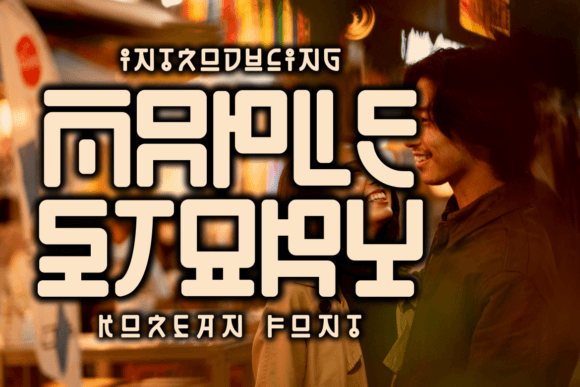
At its core, Maple Story is a display font designed to capture attention while maintaining a sense of approachable charm. Unlike rigid geometric sans serif fonts or overly formal serif fonts, Maple Story leans into a whimsical, almost handwritten font quality without sacrificing legibility. Each stroke is crafted to mimic the fluidity of brushwork, yet it retains the precision needed for professional applications. The result is a creative font that feels alive, as if the letters themselves are telling a story. This personality makes it an ideal choice for anyone looking to add a touch of "playful authenticity" to their work, whether that involves a children's book cover or a boutique coffee shop logo.
The Visual Language of Maple Story
What sets Maple Story apart from other modern typography options is its intricate attention to detail and cultural nuance. The font family is built on a foundation of versatility, offering an extensive array of letter variations that allow for deep customization. This is where the technical brilliance of the typeface shines. Because Maple Story is PUA (Private Use Area) encoded, users can access a vast library of amazing glyphs and ligatures with ease. There is no need for complex font management software or obscure keyboard shortcuts to unlock these features; they are integrated directly into the workflow.
This capability transforms the design process. Instead of settling for a standard line of text, you can mix and match artistic alternates to inject a dynamic, bespoke aesthetic into your creations. Imagine crafting a headline where every word feels slightly different, echoing the lively personality of the font's creators. These subtle variations prevent the text from feeling static or repetitive, adding layers of visual interest that keep the viewer engaged. For a brand identity project, this means you can create a cohesive look that still feels hand-crafted and personal. The font echoes the vibrancy of Korean culture, making it a powerful tool for evoking specific moods and emotions.
Strategic Applications Across Industries
The utility of Maple Story extends far beyond simple decoration. Its adaptable nature makes it suitable for a wide range of industries and project types. In the realm of corporate branding, it can serve as a standout element for companies that want to appear innovative and culturally aware. Think of tech startups or lifestyle brands that wish to distance themselves from the cold, corporate feel of standard typefaces. By incorporating Maple Story into a logo design, a business can signal creativity and warmth, fostering a stronger emotional connection with its audience.
Editorial design also benefits significantly from this typeface. Whether you are working on a magazine spread, a blog post header, or a full-length publication, Maple Story adds a layer of sophistication that commands attention. It works particularly well in children's literature, where its quirky and delightful characters resonate with young readers and their parents alike. The font's ability to balance fun with readability ensures that it enhances the storytelling experience rather than distracting from it.
Beyond print and digital publishing, Maple Story excels in packaging design. In a market saturated with mass-produced goods, packaging that tells a story stands out. Using this font on product labels or boxes can convey a sense of artisanal quality and care. Similarly, for event invitations—be it a wedding, a birthday party, or a corporate gala—Maple Story brings a level of elegance and whimsy that elevates the entire invitation suite. Even in web design and social media graphics, where screen real estate is limited, the font's strong character ensures that messages are conveyed clearly and memorably.
Enhancing Readability and Visual Hierarchy
While Maple Story is undeniably decorative, it is important to consider how it influences readability and visual hierarchy. As a display font, it is best used for headlines, subheads, and short bursts of text rather than long paragraphs. When used correctly, it acts as a powerful anchor for your layout, guiding the viewer's eye to the most important information. The unique shapes of the characters create natural focal points, helping to organize content in a way that feels intuitive and engaging.
However, the key to success lies in moderation. Overusing such a distinctive typeface can lead to visual clutter, diluting its impact. To maintain professionalism and clarity, pair Maple Story with a neutral, clean sans-serif font for body copy. This font pairing strategy ensures that the whimsical nature of Maple Story complements the rest of the design without overwhelming it. By balancing the expressive qualities of the display font with the functional simplicity of a supporting typeface, you create a harmonious visual experience that respects the reader's cognitive load.
Practical Guidance for Designers and Creators
Before integrating Maple Story into your next project, take time to evaluate its fit for your specific goals. Start by reviewing the included styles and experimenting with the various alternates and ligatures. Play with different combinations to see how they affect the overall mood of your design. Does the font enhance the message you are trying to convey? Does it align with your brand values? These questions are crucial for ensuring that the typeface serves a purpose beyond mere aesthetics.
Testing is another critical step. Always preview your designs in the context where they will be seen. How does Maple Story look on a mobile screen versus a large billboard? Does it remain legible at small sizes? While the font is optimized for display use, understanding its limitations in different formats will help you make informed decisions. Additionally, consider the commercial licensing terms associated with the font. As a premium asset, ensuring you have the right permissions for your intended use protects both you and your clients from legal complications.
Ultimately, Maple Story is more than just a set of characters; it is a statement of style and an emblem of expression. It invites designers to tell a true tale through their work, blending the enchanting allure of Korea with the practical needs of modern communication. Whether you are a seasoned graphic designer, a marketing strategist, or a passionate hobbyist, this commercial font offers the tools you need to create something truly special. By embracing its unique personality and leveraging its versatile features, you can elevate your projects to new heights of creativity and impact.